
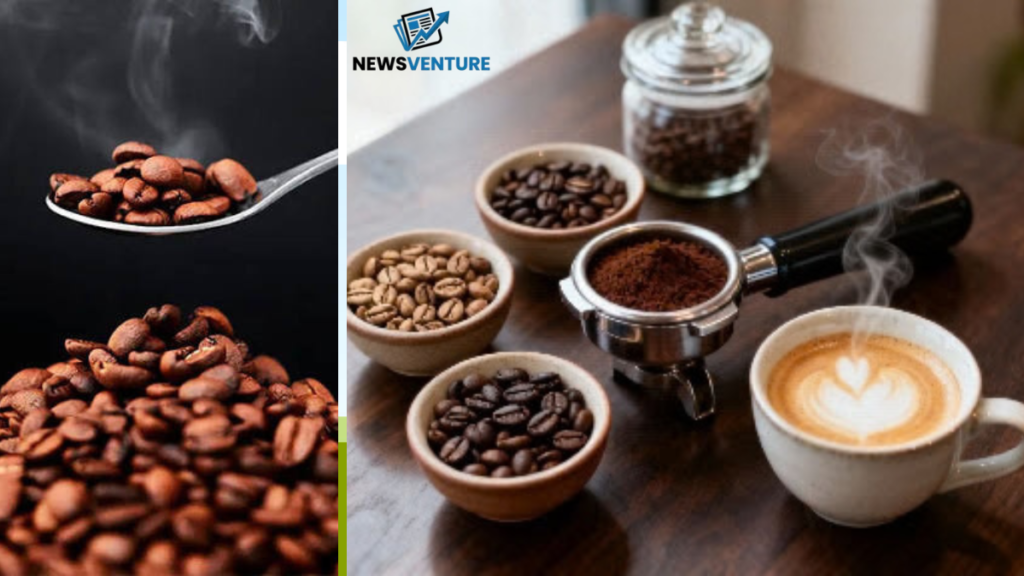

Finding the best coffee beans for espresso can completely change the way your morning cup tastes. Espresso is a concentrated brewing method, so every detail becomes more noticeable, from the coffee’s origin and roast level to its freshness, grind size, and brewing temperature. Beans that taste pleasant as filter coffee may become sharp, bitter, thin, or overly acidic when pulled as espresso.
The best espresso beans are not necessarily the most expensive or exotic. What matters is how well the coffee performs under pressure and produces a balanced shot with sweetness, body, aroma, and a pleasant finish. A good espresso should taste concentrated without becoming harsh, and it should work well on its own or with milk.
Coffee preferences are personal, but understanding the basics makes it much easier to choose beans that suit your espresso machine. Whether you prefer traditional Italian-style espresso, chocolate-forward specialty coffee, or a brighter modern roast, there is a suitable coffee profile available.
What Makes the Best Coffee Beans for Espresso
The best coffee beans for espresso usually have enough sweetness, body, and balance to remain enjoyable when brewed as a concentrated shot. Espresso extracts coffee quickly under pressure, which means the beans need to respond well to fine grinding and relatively short brewing times.
Roast level plays a major role. Medium-dark and dark roasts have traditionally been popular for espresso because they often deliver chocolate, caramel, toasted nut, and brown sugar flavors. Medium roasts can also make excellent espresso, particularly when they are carefully roasted to preserve sweetness and fruit complexity.
Bean quality matters just as much. High-quality Arabica beans can produce remarkable espresso when roasted appropriately, while carefully selected blends may offer greater consistency. The phrase “espresso roast” does not describe a specific type of coffee bean. It generally refers to coffee roasted and prepared with espresso brewing in mind.
Arabica and Robusta Beans for Espresso
Arabica beans are widely appreciated for their sweetness, aromatic complexity, and smoother flavor. Depending on their origin and processing method, Arabica coffee can produce notes ranging from chocolate and nuts to berries, citrus, caramel, and stone fruit.
Robusta has a different personality. It generally contains more caffeine and can contribute heavier body, stronger bitterness, and a thicker crema. Traditional espresso blends sometimes combine Arabica and Robusta to create a powerful, full-bodied cup with persistent crema.
A blend containing some Robusta is not automatically inferior to a 100% Arabica coffee. In traditional espresso culture, blends are often designed specifically to balance body, sweetness, aroma, crema, and consistency. The ideal choice depends on the flavor profile you enjoy and how you normally drink espresso.
How Roast Level Affects Espresso Flavor
Dark roasted coffee tends to produce bold flavors that work particularly well with milk-based drinks. Chocolate, roasted nuts, caramel, molasses, and toasted flavors often become prominent, while bright acidity becomes less noticeable.
Medium roast espresso beans offer a wider range of flavor possibilities. Depending on the coffee, you may notice honey, caramel, milk chocolate, berries, citrus, or floral aromas. These coffees can be particularly interesting as straight espresso because they retain more of the character created by the bean’s origin.
Light roasts can also be used for espresso, although they generally require more careful brewing. They may produce vibrant acidity and distinctive fruit flavors, but achieving a balanced extraction can take more adjustment. For beginners, a medium or medium-dark roast is often easier to work with.
Single-Origin Coffee vs Espresso Blends
Single-origin coffee comes from a defined geographic region, farm, cooperative, or producing area. Its appeal is often its distinctive flavor profile. Ethiopian coffee, for example, may show floral or berry characteristics, while some Brazilian coffees are known for nutty, chocolatey, and naturally sweet flavors.
Espresso blends are created by combining different coffees to achieve a specific taste and brewing performance. A roaster may combine beans from several origins to create a dependable balance of sweetness, acidity, body, and aftertaste.
Neither approach is universally better. Single-origin coffee can be exciting for drinkers who enjoy exploring different flavors, while blends are often excellent for everyday espresso. A well-designed blend can also remain more consistent throughout the year as individual harvests change.
Coffee Origins That Work Well for Espresso
Brazil is particularly popular in espresso because Brazilian coffees often offer chocolate, nut, caramel, and low-to-moderate acidity. These characteristics can create a rich and approachable shot that works beautifully in cappuccinos and lattes.
Colombian coffee can offer a balanced combination of sweetness and acidity. Depending on the region and processing method, Colombian beans may bring caramel, citrus, red fruit, chocolate, or nutty flavors to an espresso.
Ethiopian coffee is often chosen by drinkers who enjoy brighter and more aromatic espresso. Floral, citrus, berry, and stone-fruit notes can create a more modern style of shot. Central American coffees, including beans from Guatemala, Costa Rica, and Honduras, can also perform exceptionally well, with flavors ranging from chocolate and caramel to fruit and citrus.
The origin should be treated as a starting point rather than a guarantee. Processing, altitude, variety, roasting, and freshness all influence the final cup.
Understanding Coffee Processing Methods
The way coffee cherries are processed after harvesting has a major influence on flavor. Washed coffees are generally associated with clean, defined flavors and noticeable acidity. They can create precise espresso with a crisp finish.
Natural coffees are dried with much of the fruit surrounding the coffee seed. They often produce more pronounced fruitiness and sweetness. For espresso, a naturally processed coffee can create a syrupy, aromatic shot with berry-like or tropical characteristics.
Honey and other semi-washed methods sit somewhere between these approaches. They can offer sweetness and body while retaining a relatively clean flavor profile. Processing is particularly useful to consider when choosing specialty coffee because it can explain why two beans from the same country taste dramatically different.
A Useful Guide to Espresso Bean Profiles
The following table provides a practical way to match coffee characteristics with different espresso preferences.
| Coffee Profile | Common Flavor Notes | Typical Roast | Espresso Character | Works Well With |
|---|---|---|---|---|
| Classic Italian-style | Dark chocolate, toasted nuts, caramel | Medium-dark to dark | Rich and intense | Straight espresso, cappuccino |
| Brazilian-focused | Chocolate, hazelnut, brown sugar | Medium to medium-dark | Smooth and sweet | Latte, flat white |
| Colombian | Caramel, citrus, red fruit | Medium | Balanced and aromatic | Espresso, cortado |
| Ethiopian | Berry, floral, citrus | Light to medium | Bright and complex | Straight espresso |
| Central American | Chocolate, honey, fruit | Medium | Sweet and balanced | Cappuccino, latte |
| Arabica-Robusta blend | Cocoa, roasted nuts, spice | Medium-dark to dark | Heavy body and strong crema | Traditional espresso drinks |
This table is not a rigid rulebook. Coffee can vary substantially within the same origin, and roasting decisions can shift a bean’s flavor in different directions. Still, these broad categories are useful when navigating a large selection of espresso coffee.
Freshness Matters More Than Many People Realize
Freshness is one of the most important factors when buying coffee for espresso. Roasted coffee releases carbon dioxide over time, and freshly roasted beans continue changing during the days following roasting. Extremely fresh coffee can sometimes be difficult to extract consistently because of excess gas.
For many coffees, allowing a short resting period after roasting can make espresso easier to dial in. Instead of focusing only on a printed expiration date, look for a clearly stated roast date whenever possible.
Whole beans also preserve their flavor better than pre-ground coffee because grinding exposes a much larger surface area to oxygen. Once coffee is ground, aromatic compounds disappear more rapidly. This is one reason a quality burr grinder can make such a noticeable difference.
Why Grinding Matters for Espresso
Even the best coffee beans for espresso can produce disappointing results if the grind is incorrect. Espresso generally requires a fine and consistent grind because water passes through a compact coffee puck under pressure.
If the grind is too coarse, water can move through the coffee too quickly. The resulting shot may taste sour, weak, thin, or underdeveloped. If the grind is too fine, water may struggle to pass through the puck, potentially producing a slow, bitter, dry, or overly intense espresso.
A burr grinder is usually preferable to a basic blade grinder because it produces a more consistent particle size. Consistency makes it easier to control extraction and repeat a successful recipe.
As many experienced baristas put it, “dialing in” is not about finding one perfect setting forever. It is the process of adjusting grind size and other variables until the coffee tastes balanced.
How to Dial In Espresso Beans
Dialing in starts with a sensible recipe and then making small changes. Keep the dose, yield, and brewing conditions reasonably consistent while adjusting one variable at a time. The grind setting is often the first adjustment to make.
Taste is the final judge. If the espresso tastes sharply sour and lacks sweetness, the coffee may be under-extracted. A finer grind or another extraction adjustment may help. If it tastes intensely bitter, dry, or burnt, it may be over-extracted or the roast may simply be too dark for your preference.
Keep notes when experimenting with a new coffee. Recording the dose, grind setting, shot time, yield, and taste can make the learning process much easier. Over time, you will develop a better understanding of how different beans behave.
Choosing Beans for Milk-Based Espresso Drinks
Milk changes the way coffee tastes. Espresso used in a latte or cappuccino needs enough flavor intensity to remain noticeable after milk is added.
Chocolate-forward Brazilian beans, traditional espresso blends, and medium-dark roasts are often effective choices for milk drinks. Their caramel, cocoa, nut, and roasted flavors complement the sweetness and creaminess of steamed milk.
Brighter specialty coffees can also work well, especially when used in smaller milk drinks. A fruity espresso may create an interesting contrast with milk, although very acidic coffees can taste unusual if the balance is not right.
Choosing Beans for Straight Espresso
If you usually drink espresso without milk, the flavor complexity of the coffee becomes more important. Medium roasts can reveal layers of fruit, caramel, chocolate, floral aromas, and subtle acidity.
The best coffee beans for espresso in this situation are often those that provide sweetness alongside acidity and body. Extremely dark coffee can sometimes overwhelm delicate flavors with bitterness and heavy roast notes, while extremely light coffee may require more technical control.
A balanced espresso should not need sugar to hide unpleasant bitterness or harshness. When extraction is working properly, sweetness can become one of the most enjoyable characteristics in the cup.
How Storage Protects Coffee Flavor
Coffee should be protected from oxygen, moisture, heat, and excessive light. An airtight container stored in a cool, dry cupboard is usually a practical approach for everyday use.
Avoid repeatedly opening a large container if you drink coffee slowly. Dividing beans into suitable portions can reduce unnecessary exposure to air. Refrigerating coffee is generally inconvenient because condensation and moisture can affect the beans when they move between temperatures.
Buying smaller quantities more frequently can be better than purchasing a huge supply at once. Fresh beans are only useful if they retain the aromatic qualities that made them appealing in the first place.
Common Mistakes When Buying Espresso Coffee
One common mistake is choosing coffee based only on the phrase “espresso roast.” The label tells you that the roaster considers the coffee suitable for espresso, but it does not automatically tell you whether the flavor will suit your preferences.
Another mistake is ignoring the roast date. Coffee can remain usable for a long time, but its aroma and flavor gradually change. Freshly roasted beans with proper storage generally provide a more expressive brewing experience.
Buying pre-ground coffee is another potential limitation. Espresso requires a very specific grind size, and coffee can lose aromatic freshness quickly after grinding. Grinding immediately before brewing gives you much greater control.
Finally, changing several brewing variables at once can make troubleshooting difficult. If the espresso tastes wrong, make one adjustment, taste again, and learn from the result.
How Much Should Quality Espresso Beans Cost
Price can vary widely depending on origin, farming practices, processing, roasting style, and brand. Expensive coffee is not automatically better for every drinker.
A reasonably priced fresh blend from a skilled local roaster can outperform a much more expensive coffee that has been stored poorly or does not match your preferred flavor profile. Value comes from freshness, consistency, roasting quality, and suitability for your brewing method.
Specialty coffee can cost more because of traceability, sourcing, quality control, and production practices. That extra cost can be worthwhile for someone who enjoys exploring distinctive flavors, but excellent everyday espresso is available across a broad price range.
Building a Better Espresso Routine
Consistency is one of the easiest ways to improve your coffee. Use the same equipment, dose, and general recipe while learning how a particular bean behaves. This gives you a reliable reference point.
Clean equipment also matters. Old coffee oils can accumulate in portafilters, baskets, group heads, grinders, and other components. These residues can create stale or rancid flavors that mask the qualities of fresh beans.
Water deserves attention as well. Espresso contains a large proportion of water, so poor-tasting or unsuitable water can affect the final cup. Clean, appropriately filtered water can help your coffee taste clearer and more balanced.
Final Thoughts on Choosing Espresso Beans
The best coffee beans for espresso depend on the flavor experience you want from your cup. Traditional drinkers may enjoy dark chocolate, caramel, roasted nut, and bold flavors, while specialty coffee fans may prefer fruit, floral aromas, and brighter acidity.
Freshness, roast level, origin, processing, grind consistency, water quality, and extraction all work together. Instead of searching for one universally perfect bean, focus on finding coffee that matches your taste and performs consistently with your espresso setup.
A good starting point is a fresh medium or medium-dark coffee with balanced sweetness and body. From there, experimenting with origins and roast styles can turn espresso preparation into an enjoyable learning process. Once you understand how the variables interact, choosing quality beans becomes much simpler.
Frequently Asked Questions About Espresso Beans
What are the best coffee beans for espresso for beginners?
The best coffee beans for espresso for beginners are usually fresh medium or medium-dark beans with balanced sweetness, moderate acidity, and good body. Brazilian and Central American coffees are often approachable because they can provide chocolate, caramel, nut, and brown sugar flavors without excessive sharpness.
Can any coffee beans be used for espresso?
Technically, most roasted coffee beans can be brewed as espresso, provided they are ground appropriately and the brewing equipment is capable of extracting them. However, some coffees are roasted and developed specifically to perform well under espresso conditions. Beans with suitable sweetness, body, and balance often produce a more satisfying result.
Is dark roast better for espresso?
Dark roast is not automatically better for espresso. It can produce bold, bitter-sweet flavors such as dark chocolate, caramel, and toasted nuts, which are particularly popular in traditional espresso drinks. Medium roasts can offer greater acidity and flavor complexity, making them attractive for drinkers who prefer modern specialty espresso.
How fresh should espresso beans be?
Freshness matters, but coffee does not necessarily need to be used immediately after roasting. Many beans benefit from a short resting period before espresso brewing because freshly roasted coffee contains substantial carbon dioxide. The ideal resting time varies according to roast level, processing, and the individual coffee.
Should espresso beans be Arabica or Robusta?
Both can work well. Arabica generally offers greater aromatic complexity and sweetness, while Robusta can add body, bitterness, caffeine, and crema. Some traditional espresso blends combine the two to create a powerful and full-bodied cup. The choice ultimately depends on the flavor profile you prefer.
Are single-origin beans good for espresso?
Single-origin beans can make excellent espresso. They allow you to explore distinctive characteristics associated with a particular region, farm, or producer. Some single-origin coffees produce fruity and floral shots, while others deliver chocolate, caramel, and nutty flavors. Their performance depends heavily on roasting and brewing.
How should coffee beans be stored for espresso?
Store coffee beans in an airtight container away from heat, moisture, light, and strong odors. A cool, dry cupboard is generally suitable. Buying quantities that can be consumed while the coffee remains fresh is also a practical way to preserve flavor.
Does a more expensive coffee make better espresso?
Not necessarily. Price does not guarantee that a coffee will suit your taste or brewing equipment. Freshness, roasting quality, storage, grind consistency, and extraction can have a greater effect on the final cup. A well-roasted, fresh coffee at a moderate price can make exceptional espresso.
What grind size is best for espresso?
Espresso normally requires a fine grind, but the exact setting depends on the grinder, coffee, dose, machine, and desired extraction. A useful approach is to begin with a fine setting and adjust gradually. The goal is a balanced shot with pleasant sweetness, appropriate body, and a clean finish rather than simply targeting a particular grind number.
Can espresso beans be used for other brewing methods?
Yes. Coffee marketed for espresso can also be brewed using methods such as AeroPress, moka pot, French press, or filter brewing. The resulting flavor will change because each method extracts coffee differently. Dark espresso roasts may taste heavier in filter brewing, while medium espresso roasts can be quite versatile.
Read also Residential Park Homes for Sale: A Complete Guide to Finding Your Ideal Home