
Finding the best gluten free bread can feel surprisingly difficult. Gluten-free loaves have come a long way, but not every product delivers the soft texture, balanced flavour, and satisfying structure people expect from traditional bread. Some are dry and crumbly, while others can feel dense, gummy, or overly sweet. The right choice depends on ingredients, baking methods, texture preferences, and how you plan to use the loaf.
A good gluten-free bread should do more than simply avoid wheat, barley, and rye. It should work well for everyday meals, whether you are making toast in the morning, preparing a sandwich for lunch, or serving bread alongside soup. Understanding what makes a loaf successful can make shopping much easier and help you find a product that actually tastes good.
What Makes the Best Gluten Free Bread Different
The best gluten free bread usually relies on a carefully balanced combination of gluten-free flours and starches rather than one ingredient alone. Rice flour, sorghum flour, millet flour, buckwheat flour, tapioca starch, potato starch, and corn flour are common choices. Each contributes different qualities, from flavour and colour to softness and structure.
Gluten normally gives wheat bread elasticity and helps it hold air during baking. Gluten-free recipes need other ingredients to perform some of the same jobs. Xanthan gum, psyllium husk, chia seeds, and ground flaxseed can help create structure and improve moisture retention. This is why a short ingredient list is not automatically better. What matters is whether the ingredients work together effectively.
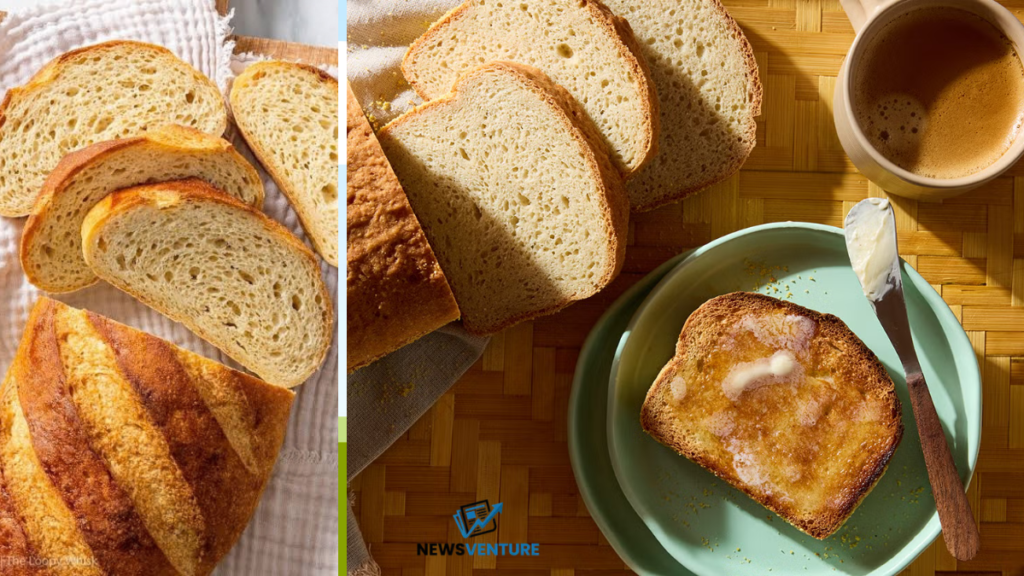
Texture is another important factor. A quality loaf should have a pleasant chew without becoming rubbery, while the crust should offer some character without being excessively hard. As a simple rule, the ideal description is often “soft in the middle, lightly crisp around the edges.”
Understanding Gluten Free Bread Ingredients
Choosing the best gluten free bread becomes easier when you know what to look for on the ingredient label. Gluten-free flour blends often combine several grains, seeds, and starches because each ingredient has a specific purpose. Brown rice flour can provide a mild base, sorghum can add a slightly nutty flavour, and tapioca starch can contribute softness and elasticity.
Psyllium husk deserves particular attention. It absorbs water and forms a gel-like structure that can improve the flexibility and stability of gluten-free dough. Xanthan gum is another common ingredient that helps bind components together. Neither ingredient is automatically a sign of poor quality; in many recipes, they are practical tools for achieving a better crumb.
Sugar and fat can also affect the final result. A small amount of oil can improve tenderness, while modest sweetness may balance earthy flour flavours. However, consumers who want a lower-sugar loaf should check the nutrition panel rather than relying on the front of the package.
Popular Gluten Free Flours and What They Offer
Different gluten-free flours produce noticeably different results. Rice flour is widely used because it has a relatively mild flavour and works well in blends. Sorghum flour offers more depth and can give bread a pleasant, slightly nutty character. Buckwheat flour has a stronger earthy flavour and is particularly useful when a more rustic loaf is desired.
Almond flour and coconut flour are also popular in gluten-free baking, although they behave differently from grain-based flours. Almond flour adds richness and moisture but can make bread heavier, while coconut flour absorbs a great deal of liquid. Because of these differences, professional gluten-free baking often depends on combinations rather than substitutions made one-to-one.
| Ingredient | Main contribution | Typical effect on bread |
|---|---|---|
| Brown rice flour | Mild flour base | Light flavour and balanced crumb |
| Sorghum flour | Whole-grain character | Nutty flavour and depth |
| Buckwheat flour | Stronger flavour | Rustic, earthy taste |
| Tapioca starch | Elasticity | Softer, chewier texture |
| Potato starch | Lightness | Tender crumb |
| Psyllium husk | Structure and moisture | Flexible, less crumbly loaf |
| Xanthan gum | Binding | Better shape and stability |
| Seeds | Texture and nutrients | Added crunch and flavour |
This combination of ingredients explains why two gluten-free loaves can taste completely different even when both carry the same certification. One may be designed for soft sandwiches, while another is intended to have a hearty, whole-grain texture.
How to Choose a Loaf for Everyday Sandwiches
For sandwiches, the best gluten free bread should be flexible enough to fold slightly without breaking. A loaf that crumbles as soon as you spread butter or filling across it can quickly become frustrating. Look for bread with a moist but structured crumb and slices that remain intact when handled.
Thickness also matters. Thin slices may work well for delicate fillings, but thicker slices are generally more useful for substantial sandwiches. If you regularly prepare packed lunches, consider how well the bread holds moisture from ingredients such as tomatoes, sauces, cheese, or cooked vegetables.
Freshness can make a major difference too. Some gluten-free breads become firmer after opening. Keeping the loaf properly sealed can help maintain its texture. For products that freeze well, storing individual portions in the freezer can also be a practical way to reduce waste.
Finding the Best Gluten Free Bread for Toast
Toast exposes the strengths and weaknesses of gluten-free bread very quickly. The best gluten free bread for toast should develop a lightly crisp surface while remaining soft inside. It should also tolerate heat without becoming excessively dry or hard.
Whole-grain and seed-based loaves often taste especially good toasted because heat brings out their nutty and earthy flavours. Rice-based breads can offer a milder option that works nicely with jam, nut butter, eggs, or avocado.
Toasting can also improve bread that feels slightly dense straight from the packet. A moderate setting is usually preferable to extremely high heat, particularly with bread that has a lower moisture content. The goal is a golden surface rather than a deeply browned, brittle slice.
Nutritional Features Worth Checking
Nutrition is an important part of choosing the best gluten free bread, but the phrase “gluten-free” does not automatically mean healthier. Gluten-free bread can still contain considerable amounts of sugar, refined starch, sodium, or saturated fat. Checking the nutrition panel gives you a much clearer picture.
Fibre is particularly worth considering. Some gluten-free breads contain relatively little fibre because they rely heavily on refined starches. Others include whole grains, seeds, psyllium, or legumes to improve the fibre content. A higher-fibre loaf can be more satisfying and may fit better into a balanced everyday diet.
Protein can vary considerably as well. Ingredients such as seeds, buckwheat, chickpea flour, or other pulses can contribute protein. If nutrition is a priority, compare similar serving sizes rather than judging one product based only on its marketing claims.
Why Texture Matters So Much
Texture is one of the biggest differences between ordinary bread and many gluten-free alternatives. Without gluten, dough does not naturally develop the same elastic network. Bakers therefore have to create structure through other ingredients and techniques.
A well-made loaf should feel cohesive without being gummy. When pressed gently, the crumb should have some resilience rather than remaining completely compressed. A little moisture is beneficial because excessively dry gluten-free bread tends to crumble, but too much moisture can create a sticky or dense centre.
This is also why personal preference matters. Some people enjoy soft sandwich bread, while others prefer a hearty seeded loaf with a substantial chew. There is no single texture that suits every meal, so understanding your own eating habits is more useful than relying on packaging claims alone.
Fresh Versus Frozen Gluten Free Bread
Fresh bread can have a pleasant texture immediately after opening, but freezing is often one of the most practical ways to preserve gluten-free loaves. Because some products have a shorter shelf life, freezing individual slices can prevent unnecessary waste.
The best gluten free bread for freezing should maintain its structure after thawing and toasting. Many sliced products are convenient because you can remove only what you need rather than defrosting the entire loaf. Using an airtight freezer bag or container can also reduce freezer burn.
When thawing, allow slices to come to room temperature naturally or place them directly into a toaster if the bread is designed for that use. Avoid repeatedly freezing and thawing the whole loaf, as this can gradually affect moisture and texture.
Certified Gluten Free Bread and Cross-Contamination
For people who must strictly avoid gluten, ingredients are only part of the consideration. Cross-contact during manufacturing can also matter. Products carrying a recognised gluten-free certification may provide additional reassurance because certification programmes typically involve specific testing and manufacturing requirements.
It is important to read the package carefully, particularly if you have a medical need to avoid gluten. A product can be free from obvious wheat ingredients but still require closer attention to manufacturing information.
Terms such as “wheat-free” and “gluten-free” are not necessarily interchangeable. Gluten can be found in wheat, barley, and rye, so checking the complete ingredient and allergen information is a sensible habit.
Gluten Free Bread for Breakfast
Breakfast is one of the easiest meals for enjoying the best gluten free bread because toasted slices can be paired with an enormous range of toppings. Nut butter and banana create a filling combination, while eggs and avocado work well on savoury toast.
For a sweeter breakfast, cinnamon, berries, yoghurt, or a small amount of fruit spread can add flavour without requiring a heavily sweetened loaf. Seeded bread can provide a satisfying contrast with creamy toppings.
The key is choosing bread that complements rather than competes with the topping. A mild loaf works well with delicate flavours, while a hearty whole-grain bread can stand up to stronger ingredients.
Gluten Free Bread for Sandwiches and Lunches
A good lunch loaf needs strength. Sandwich fillings can be surprisingly demanding, especially when they contain sauces, vegetables, cheese, or sliced meat. The best gluten free bread should keep its shape while remaining pleasant to bite.
For packed lunches, moisture management is especially important. Wet ingredients can soften the bread over time, so spreading a thin layer of a suitable ingredient across the surface can help create a barrier. Keeping juicy vegetables separate until serving can also preserve texture.
For a simple everyday sandwich, pair a soft loaf with protein, vegetables, and a flavourful spread. A more robust seeded bread can be ideal for grilled sandwiches or toasted fillings where extra structure is useful.
Baking Your Own Gluten Free Bread
Homemade gluten-free bread gives you complete control over ingredients, texture, and flavour. It can also be a useful solution for people who struggle to find a packaged loaf that meets their preferences.
Successful recipes usually depend on accurate liquid measurements because gluten-free flours absorb water differently from wheat flour. The dough may look more like a thick batter than traditional bread dough, and this is perfectly normal for many recipes.
Psyllium husk can be particularly helpful in homemade recipes because it creates structure and helps retain moisture. Allowing the loaf to cool properly before slicing is also essential. Cutting into bread while it is still hot can produce a gummy interior even when the loaf is otherwise well baked.
Common Mistakes When Buying Gluten Free Bread
One common mistake is judging a loaf entirely by its appearance. A beautifully packaged product may still have a texture or flavour that does not suit your needs. Reading the ingredient list, nutrition panel, and storage instructions gives you a much better idea of what to expect.
Another mistake is assuming that gluten-free always means nutritious. Some products are built primarily around refined starches and may contain more sugar or sodium than expected. Others are made with whole grains and seeds and provide substantially more fibre.
It is also easy to overlook serving size. Comparing nutrition information per slice can be misleading if one product has unusually thin slices. Looking at the stated serving size helps make comparisons more meaningful.
How to Store Gluten Free Bread Properly
Storage has a direct effect on the quality of your loaf. Keep packaged bread sealed according to the manufacturer’s instructions and avoid leaving slices exposed to air for long periods. Air exposure can accelerate drying and make the crumb more fragile.
For longer storage, freezing is often more effective than keeping bread at room temperature for an extended period. Slice the loaf before freezing if it is not already sliced, then separate portions so you can remove individual pieces easily.
Avoid storing every type of bread in the refrigerator simply to extend freshness. Refrigeration can make some bread varieties stale faster. The correct approach depends on the specific product, so packaging instructions should take priority.
What to Look for on the Label
A strong gluten-free bread label should provide useful information rather than relying only on attractive marketing language. Check the flour blend, fibre content, protein, sugar, sodium, allergens, and storage instructions.
Words such as “whole grain,” “seeded,” and “high fibre” can be helpful, but they should be supported by the nutrition information. The ingredient list tells you what the product is actually made from, while the nutrition panel shows what each serving contributes to your diet.
For everyday use, balance is often more useful than chasing one particular claim. A loaf with a sensible ingredient blend, enjoyable texture, reasonable nutrition profile, and reliable storage qualities can be a much better fit than a product marketed around a single feature.
How Flavour Changes With Different Ingredients
The best gluten free bread does not have to taste bland. Flour choices can create surprisingly different flavour profiles. Sorghum tends to add gentle nuttiness, buckwheat provides a deeper earthy note, and seeds can introduce toasted flavours and crunch.
Herbs and spices can also transform a basic loaf. Rosemary, garlic, caraway, or mixed seeds can work particularly well in savoury bread. For sweeter applications, cinnamon or dried fruit can create a more distinctive loaf.
This variety makes gluten-free bread suitable for much more than sandwiches. A hearty loaf can accompany soups, stews, roasted vegetables, or salads, while a mild slice can serve as a base for breakfast toast.
Matching Bread With Your Eating Habits
There is no universal definition of the best gluten free bread because bread serves different purposes in different households. Someone who mainly eats toast may prioritise browning and flavour, while someone who prepares packed lunches may care more about flexibility and durability.
If you rarely eat bread, a smaller loaf or freezer-friendly product may be more practical. Families that eat bread frequently may prefer a larger loaf with a balanced price and versatile texture.
Thinking about when and how you eat bread is often the simplest way to narrow your choices. The ideal loaf is ultimately the one that performs well in the meals you actually prepare.
Conclusion
Choosing the best gluten free bread is about more than finding a loaf with a gluten-free label. Ingredients, texture, flavour, fibre, storage, certification, and intended use all contribute to the overall experience. A carefully formulated loaf can be soft, satisfying, versatile, and genuinely enjoyable.
Start by checking the flour blend and nutrition information, then consider whether you need bread primarily for toast, sandwiches, breakfast, or everyday meals. Once you understand what creates good gluten-free structure and flavour, finding a dependable loaf becomes much less complicated.
The strongest choice is one that fits your dietary requirements while also tasting good and working naturally with the foods you already enjoy. With the wide range of gluten-free products now available, there is plenty of room to find bread that feels like a satisfying part of your regular meals rather than simply an alternative.
Frequently Asked Questions About Gluten Free Bread
What is the best gluten free bread for sandwiches?
The best gluten free bread for sandwiches usually has a soft but structured crumb that can hold fillings without falling apart. Seeded or whole-grain varieties can offer extra texture and strength, while softer rice-based loaves may be more suitable for delicate fillings.
Look for slices that bend slightly without cracking and avoid loaves that feel excessively dry or gummy. Storage also matters because bread that has been exposed to air for too long may become more fragile.
Is gluten free bread healthier than regular bread?
Gluten-free bread is not automatically healthier than conventional bread. Its nutritional quality depends on the ingredients, fibre content, sugar, sodium, fat, and overall formulation.
For people who need to avoid gluten, gluten-free bread is an important dietary alternative. For everyone else, the most useful approach is to compare nutrition labels and choose bread that fits their overall eating pattern.
Can gluten free bread be frozen?
Yes, many gluten-free breads freeze very well. Freezing can help preserve freshness and reduce waste, especially when the loaf is not eaten quickly.
Sliced bread is particularly convenient because individual portions can be removed as needed. Store slices in an airtight freezer bag or suitable container and protect them from excessive moisture and freezer burn.
Why does gluten free bread sometimes crumble?
Gluten-free bread can crumble because it does not contain the gluten network that normally provides elasticity and structure in wheat bread. Recipes therefore rely on ingredients such as psyllium husk, xanthan gum, starches, eggs, or seeds to create stability.
Dryness can make the problem worse. A well-formulated loaf should contain enough moisture to remain cohesive while still having a properly baked centre.
What flour is commonly used in gluten free bread?
Rice flour, sorghum flour, millet flour, buckwheat flour, tapioca starch, and potato starch are among the common ingredients used in gluten-free bread. Many recipes combine several of them because each provides different qualities.
A flour blend can create a more balanced flavour and texture than relying on one flour alone. The right combination depends on whether the desired result is soft sandwich bread, hearty whole-grain bread, or a rustic loaf.
How should gluten free bread be stored?
Storage depends on the specific product, but keeping the bread sealed and protected from air is generally important. Some loaves are best kept at room temperature for short-term use, while others benefit from freezing.
If you will not finish the loaf quickly, freezing individual slices can be a practical solution. Always follow the manufacturer’s storage guidance when it differs from general recommendations.
Can gluten free bread taste as good as regular bread?
Well-made gluten-free bread can have excellent flavour and texture. Modern recipes use carefully balanced flour blends, starches, fibres, seeds, and other ingredients to create bread that is soft, flavourful, and versatile.
The flavour will vary by recipe and product. Trying different flour combinations and bread styles can help you find a loaf that suits your personal taste and everyday meals.
Read also When to Plant Garlic UK: A Complete Guide to Growing Healthy Bulbs