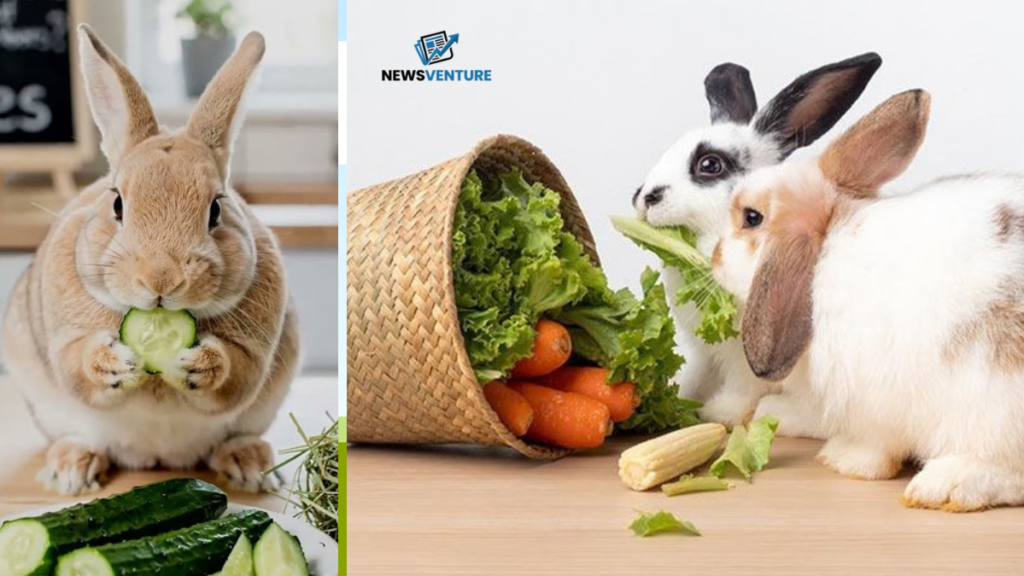

If you have a pet rabbit, it is natural to wonder whether everyday vegetables are safe to share. Can rabbits eat cucumber is a common question because cucumber is inexpensive, widely available, and mostly made up of water. The good news is that cucumber can generally be offered to healthy rabbits as an occasional part of a balanced diet.
Cucumber is not poisonous to rabbits, and both the flesh and skin can usually be eaten when the vegetable has been washed properly. However, that does not mean it should become a major part of a rabbit’s meals. Rabbits have sensitive digestive systems, and their diet needs to be built around fibre-rich foods rather than watery vegetables.
The most important point is balance. Fresh hay should remain the foundation of a rabbit’s diet, while leafy greens, appropriate vegetables, a small amount of pellets, and clean drinking water can complement it. Cucumber can provide variety and hydration, but it does not contain enough fibre or essential nutrients to replace hay.
Is Cucumber Safe for Rabbits?
For most healthy domestic rabbits, cucumber is safe when served in sensible quantities. The vegetable contains a high percentage of water and relatively little fat, making it a light treat compared with many processed or sugary foods. Its mild taste also makes it appealing to rabbits that enjoy fresh produce.
When introducing cucumber for the first time, start with a small piece rather than giving a large portion. A rabbit’s digestive system is designed to process a high-fibre diet, so sudden changes can sometimes result in soft stools, gas, or digestive discomfort. Gradual introduction gives you an opportunity to see how your individual rabbit responds.
It is also worth remembering that safe does not mean unlimited. Cucumber should complement a rabbit’s normal diet rather than replace important foods. As rabbit nutrition experts commonly emphasize, “hay is the foundation” of a healthy rabbit diet because long-stem fibre supports normal digestion and helps wear down continuously growing teeth.
Can Rabbits Eat Cucumber Skin and Seeds?
Cucumber skin is generally edible for rabbits, provided the cucumber has been thoroughly washed. In fact, leaving the skin on can make preparation easier and preserves some of the vegetable’s nutrients and fibre. If the cucumber is conventionally grown, washing it carefully is particularly important because surface residues may be present.
The seeds inside an ordinary cucumber are also generally not a problem. A healthy rabbit can usually eat the soft seeds along with the flesh. There is normally no need to remove every seed before serving a small cucumber portion.
However, avoid giving rabbits cucumber that is spoiled, slimy, moldy, heavily seasoned, pickled, or prepared with sauces. Pickled cucumber, for example, can contain significant amounts of salt, vinegar, sugar, or other ingredients that are unsuitable for rabbits. Plain, fresh cucumber is the appropriate choice.
Nutritional Value of Cucumber for Rabbits
Cucumber is best viewed as a refreshing supplementary food rather than a nutritional cornerstone. Its greatest practical benefit is its high water content. This can add variety to a rabbit’s fresh-food intake, particularly during warm weather, although fresh drinking water must always remain available.
The vegetable also contains small amounts of vitamins and minerals, including vitamin K and potassium. However, cucumber is comparatively low in fibre when compared with hay and many leafy greens. Since fibre is crucial to a rabbit’s digestive health, cucumber should never take the place of high-fibre foods.
The following table gives a simple overview of how cucumber fits into a rabbit’s diet:
| Food | Main role | Importance for rabbits |
|---|---|---|
| Grass hay | Fibre and digestion | Essential daily food |
| Leafy greens | Variety and micronutrients | Important supplement |
| Cucumber | Water and variety | Occasional vegetable |
| Rabbit pellets | Concentrated nutrients | Small controlled portion |
| Fresh water | Hydration | Essential at all times |
| Sugary fruit | Treat | Very limited |
This comparison shows why cucumber should remain a small component of the overall feeding routine. A rabbit may enjoy it, but enjoyment alone does not make a food nutritionally complete.
How Much Cucumber Can Rabbits Have?
Portion size matters when feeding cucumber. There is no single amount that is perfect for every rabbit because dietary needs vary according to age, size, health, activity, and the rest of the animal’s diet. A small slice or a few bite-sized pieces can be a sensible starting point for a rabbit that has not eaten cucumber before.
Once your rabbit is accustomed to it, cucumber can be included as part of its fresh vegetable rotation. It is generally better to provide a variety of suitable vegetables rather than relying heavily on one watery food.
A useful rule is to introduce new foods slowly and observe your rabbit afterward. Normal appetite, normal droppings, and ordinary activity are reassuring signs. Changes such as persistent diarrhea, very soft stools, bloating, reduced appetite, or unusual lethargy should be taken seriously and discussed with a rabbit-experienced veterinarian.
Can Rabbits Eat Cucumber Every Day?
Although cucumber is generally safe, feeding it every day is not necessary. Rabbits benefit from dietary variety, and cucumber should not crowd out more important fibre-rich foods. If a rabbit fills up on watery vegetables, it may consume less hay, which can work against the nutritional priorities of the species.
A varied selection of suitable leafy greens can be more useful than making cucumber a daily staple. Romaine lettuce, coriander, basil, parsley, and other rabbit-safe greens may be incorporated appropriately depending on the rabbit’s overall diet and individual tolerance.
The goal is not to eliminate cucumber simply because it contains a lot of water. Instead, the goal is to keep portions sensible and maintain a strong nutritional foundation. Hay, fresh water, appropriate greens, and carefully measured pellets should remain much more important than treats.
Can Baby Rabbits Eat Cucumber?
Young rabbits require more careful dietary management than healthy adults. Their digestive systems are still developing, and changes to their diet should be introduced cautiously. For very young rabbits, introducing vegetables without appropriate veterinary or rabbit-nutrition guidance may be unnecessary.
As a rabbit grows, suitable fresh foods can be introduced gradually according to its developmental stage. Cucumber should not be used as a replacement for the foods recommended for a growing rabbit.
If a young rabbit is experiencing digestive problems, refusing food, or producing abnormal droppings, cucumber should not be used as a home remedy. Digestive problems in rabbits can become serious quickly, so professional veterinary advice is appropriate when symptoms are concerning.
Can Rabbits Eat Cucumber Seeds and Ends?
Cucumber seeds are generally soft and can be consumed by rabbits. There is usually no nutritional reason to spend time removing every seed from a fresh cucumber before serving it. The flesh surrounding the seeds can also be eaten when the vegetable is fresh and clean.
The ends of a cucumber are not inherently dangerous simply because they are the ends. What matters is freshness and cleanliness. If an end is dry, damaged, moldy, or spoiled, it should be discarded rather than offered to a rabbit.
The same principle applies to any fresh produce. “Fresh and plain” is a useful standard when preparing vegetables for rabbits. Avoid vegetables that have been cooked with oils, spices, sauces, sugar, or salt.
Benefits of Feeding Cucumber in Moderation
One of the clearest benefits of cucumber is its water content. Rabbits obtain most of their hydration from drinking water, but moisture-rich vegetables can contribute to overall fluid intake. This can make cucumber an appealing addition to a varied fresh-food selection.
Cucumber can also provide enrichment. Rabbits naturally investigate, nibble, and explore food, so offering safe vegetables in appropriate forms can add interest to their routine. Food variety can be especially useful when it encourages a rabbit to interact with fresh produce without compromising its main diet.
Another advantage is that cucumber is easy to prepare. It can be washed, sliced, and served without cooking. This makes it convenient for owners who want to provide a simple fresh treat without adding complicated ingredients.
Potential Problems With Too Much Cucumber
The biggest concern with excessive cucumber is dietary imbalance. Because cucumber is mostly water and relatively low in fibre, large quantities may displace hay and other nutritionally valuable foods. Rabbits need a diet dominated by fibre, not watery vegetables.
Some rabbits may also develop digestive changes after eating too much fresh produce. Soft stools can occur when a rabbit receives a sudden increase in vegetables or when a particular food does not agree with it. This is why gradual introduction is preferable.
Another potential issue is spoiled produce. Moldy or decomposing cucumber should never be fed to a rabbit. Produce that looks questionable belongs in the waste bin rather than the food bowl.
How to Prepare Cucumber for a Rabbit
Preparation is simple. Choose a fresh cucumber, wash it thoroughly under running water, and remove any visibly damaged areas. There is generally no need to peel it if the skin is clean and suitable for consumption.
Cut the cucumber into manageable pieces. Smaller rabbits may find thin slices or small chunks easier to handle. There is no need to add seasoning, dressing, salt, oil, or other ingredients.
Serve the portion alongside the rabbit’s normal food rather than replacing the main meal. Remove uneaten fresh produce before it becomes spoiled, particularly if it has been sitting in a warm environment for an extended period.
Cucumber Compared With Other Rabbit-Safe Vegetables
Cucumber is only one possible vegetable for a rabbit. Leafy greens often provide a more meaningful contribution to a balanced fresh-food routine because they contain more fibre and a broader selection of nutrients.
Variety can be beneficial, but it should not become an excuse to introduce many foods at once. When several new vegetables are added together, it becomes difficult to determine which food caused a digestive reaction if one occurs.
A sensible feeding routine focuses on consistency, fibre, and moderation. Cucumber can have a place within that routine without becoming the centre of it.
Signs Your Rabbit Is Handling Cucumber Well
A rabbit that tolerates cucumber normally should continue eating its usual hay and other foods. Its droppings should remain typical in appearance and quantity, and its normal behavior should remain unchanged.
Healthy rabbits are often active, curious, and enthusiastic about food. A rabbit enjoying a small piece of cucumber may happily nibble it and then return to hay or its regular feeding routine.
Problems deserve attention when a rabbit suddenly stops eating, produces very few droppings, develops persistent diarrhea, appears bloated, or becomes unusually quiet. Rabbits can become seriously ill when they stop eating, so significant digestive symptoms should not simply be attributed to a new vegetable.
Common Mistakes When Feeding Cucumber
One common mistake is assuming that because a food is safe, more of it must be better. This is particularly risky with watery vegetables. A rabbit’s diet should be built around its nutritional requirements rather than around whichever foods it finds most exciting.
Another mistake is introducing several new vegetables simultaneously. If a rabbit develops soft stools, gas, or another digestive change, identifying the cause becomes much harder when several unfamiliar foods were introduced together.
Owners should also avoid processed cucumber products. Pickles and flavored cucumber snacks are designed for people, not rabbits. Their added salt, vinegar, sugar, herbs, spices, or preservatives can make them inappropriate for a rabbit’s diet.
Frequently Asked Questions
Can rabbits eat cucumber safely?
Yes, healthy rabbits can generally eat plain fresh cucumber in moderation. The vegetable is not considered toxic to rabbits and can provide moisture and variety. It should remain a supplementary food rather than replacing hay, which is the key source of dietary fibre.
Can rabbits eat cucumber with the skin?
Yes, cucumber skin can generally be eaten when the vegetable has been washed thoroughly. Leaving the skin on is convenient and provides some additional fibre and nutrients. Always remove damaged or spoiled portions before serving.
Can rabbits eat cucumber seeds?
Yes, the soft seeds found inside an ordinary fresh cucumber are generally safe for rabbits to consume. They do not normally need to be removed before serving a small portion.
Can rabbits eat cucumber every day?
A rabbit can potentially tolerate small amounts of cucumber regularly, but it does not need cucumber every day. A varied diet based primarily on hay and suitable fresh greens is more important. Excessive cucumber may displace fibre-rich foods.
Can baby rabbits eat cucumber?
Young rabbits need a carefully managed diet, and vegetables should be introduced according to their age and dietary development. It is sensible to consult a rabbit-experienced veterinarian before introducing new fresh foods to a very young rabbit.
Is cucumber good for rabbit hydration?
Cucumber contains a high amount of water, so it can contribute some moisture to a rabbit’s diet. However, it should never replace fresh drinking water. A clean supply of drinking water should always be available.
What happens if a rabbit eats too much cucumber?
Too much cucumber may contribute to soft stools or digestive upset, especially if the food was introduced suddenly. It may also reduce the amount of hay a rabbit eats if large portions are offered. Return attention to the rabbit’s normal fibre-rich diet and seek veterinary advice if concerning symptoms develop.
Can rabbits eat pickled cucumber?
Pickled cucumber is not an appropriate rabbit treat. Pickles commonly contain salt, vinegar, sugar, herbs, spices, or other ingredients that are unnecessary and potentially unsuitable for rabbits. Plain fresh cucumber is the safer choice.
Conclusion
So, can rabbits eat cucumber? Yes, healthy rabbits can generally enjoy plain fresh cucumber as an occasional or modest part of a varied diet. The flesh, skin, and soft seeds are usually suitable when the vegetable is fresh, clean, and free from seasonings or other added ingredients.
The key is moderation. Cucumber is rich in water but does not provide the fibre that rabbits need as the foundation of their diet. High-quality hay should remain the central food, supported by suitable leafy greens, controlled portions of pellets, fresh water, and other appropriate foods.
When introduced gradually and served in sensible portions, cucumber can be a refreshing and enjoyable addition to a rabbit’s routine. Paying attention to portion size, freshness, and your rabbit’s individual response will help keep this simple vegetable where it belongs: as a small part of a much bigger, fibre-focused approach to rabbit nutrition.
You may read also Best Gluten Free Bread: A Complete Guide to Choosing, Buying, and Enjoying Better Bread