
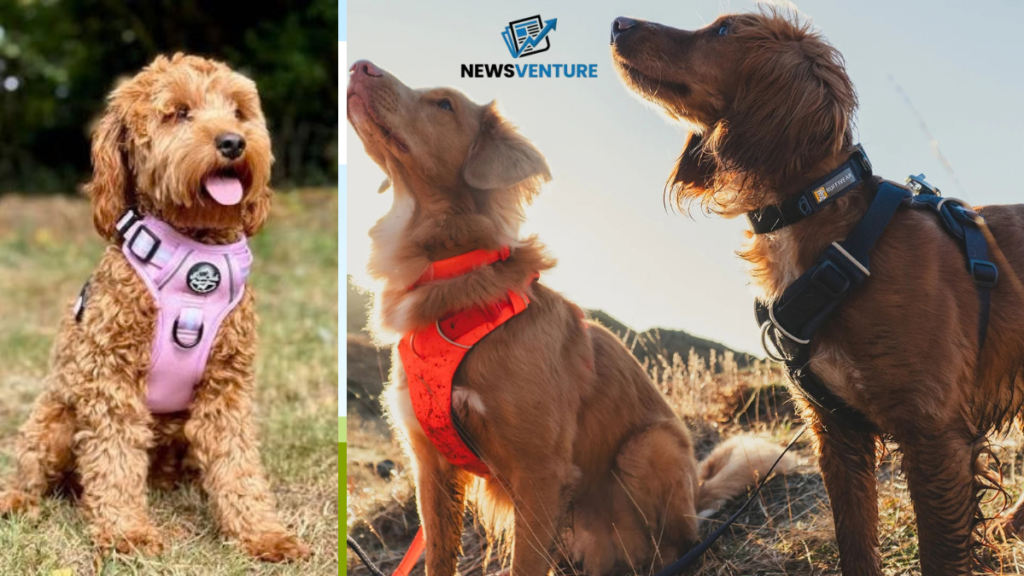

Finding the best dog harness UK owners can rely on is about much more than choosing a popular design or the most attractive colour. A well-fitted harness can make everyday walks more comfortable, improve control, and reduce the pressure that a traditional collar can place around a dog’s neck. With so many styles, sizes, materials, and attachment points available, however, finding the right option can feel surprisingly complicated.
The ideal harness depends on your dog’s breed, size, body shape, walking habits, temperament, and individual needs. A small puppy has different requirements from a strong adult dog, while a nervous dog may benefit from a different design than an energetic dog that constantly pulls. The right choice should provide security without restricting natural movement.
For many owners, the best dog harness UK option is one that combines comfort, adjustability, durability, and reliable control. It should stay securely in place during movement without rubbing behind the front legs or putting unnecessary pressure on sensitive areas. This guide explores the main harness styles, important features, fitting advice, and practical considerations to help you understand what makes a harness genuinely useful.
Why a Good Dog Harness Matters
A harness distributes lead pressure across a dog’s chest and body rather than concentrating it around the neck. This can be particularly useful for dogs that pull, become excited during walks, or need additional control in busy environments. While a harness does not automatically stop pulling, it can give the handler a more comfortable and controlled way to manage the lead.
Comfort is equally important. A dog may happily tolerate a harness indoors but become uncomfortable after several minutes of walking if the straps rub, pinch, or interfere with movement. The best dog harness UK choice should therefore be comfortable for longer walks, not simply secure enough for a short trip around the block.
A useful principle is simple: “A harness should support control without becoming a restriction.” The aim is to create a balance between security and freedom of movement. Dogs should still be able to walk, run, sniff, sit, and turn naturally while wearing it.
What Makes the Best Dog Harness UK Choice
The best dog harness UK models generally share several practical characteristics. They are made from durable materials, offer useful adjustment points, have secure lead attachments, and are designed around canine anatomy rather than appearance alone. Padding can add comfort, while breathable materials may be valuable for active dogs or warmer weather.
A secure fit is another major factor. The harness should not be so loose that a dog can reverse out of it, but it should not be tightened excessively either. Adjustable straps around the chest and neck area can make a major difference because dogs vary considerably in body shape, even within the same breed.
Durability matters for another reason. Dogs encounter wet pavements, muddy paths, grass, rain, and rough outdoor environments. A harness that looks excellent when new but has weak stitching or poor-quality clips may not remain dependable. Strong buckles, reinforced attachment points, washable fabric, and quality stitching are worth considering before purchase.
Types of Dog Harnesses Available in the UK
Different harness designs serve different purposes. There is no single style that is perfect for every dog. Understanding the main types makes it easier to identify which features are most suitable for your walking routine.
Step-in harnesses are designed so that the dog places its front paws into the harness before it is secured around the body. They can be convenient for dogs that dislike having equipment pulled over their head. Overhead harnesses, meanwhile, are placed over the dog’s head and secured around the chest. They can provide excellent support when correctly fitted.
No-pull harnesses are commonly designed with a front lead attachment. When a dog pulls, the positioning of the lead can encourage it to turn back towards the handler rather than continuing directly forward. These harnesses can be useful training aids, although positive reinforcement and consistent walking practice remain important.
A dual-clip harness provides both front and rear attachment points. This can offer greater flexibility for owners who want to adjust handling depending on the environment. A rear attachment may work well for relaxed walking, while a front attachment can provide additional control during training.
Comparing Harness Features
| Harness feature | Why it matters | Best suited to |
|---|---|---|
| Adjustable straps | Creates a more precise fit | Growing dogs and varied body shapes |
| Padded chest area | Improves comfort and reduces rubbing | Daily walkers and sensitive dogs |
| Front attachment | Provides additional steering control | Dogs that pull |
| Rear attachment | Simple lead connection for everyday use | Calm or trained dogs |
| Reflective details | Improves visibility in low light | Evening and winter walks |
| Strong buckles | Helps maintain security | Active and powerful dogs |
| Breathable fabric | Helps reduce heat and moisture | Active dogs and warmer conditions |
| Machine-washable material | Makes cleaning easier | Muddy outdoor walkers |
| Multiple adjustment points | Allows more accurate fitting | Deep-chested or unusual body shapes |
The table highlights why it is important to look beyond marketing descriptions. A harness can have several attractive features but still be unsuitable if the shape does not match your dog’s body.
How to Measure Your Dog for a Harness
Accurate measurements are one of the most important steps when choosing the best dog harness UK option. Most manufacturers provide their own sizing charts, and these should always be checked rather than assuming that a small, medium, or large label means the same thing across different brands.
The chest or girth measurement is usually taken around the widest part of the rib cage, typically just behind the front legs. Use a flexible tape measure and keep it comfortably against the coat without pulling it excessively tight. For thick-coated dogs, avoid compressing the fur significantly while measuring.
Neck measurements may also be required, particularly with harnesses that sit around the base of the neck. Weight can sometimes be useful as an additional reference, but it should not replace actual body measurements.
Once the harness is fitted, you should be able to place approximately two fingers between the straps and your dog’s body. The exact fitting guidance can vary by design, so manufacturer instructions should always take priority.
Harness Comfort and Freedom of Movement
Comfort should remain central when selecting a harness. A dog that continually scratches, bites at the straps, slows down, or changes its walking pattern may be showing signs that the equipment is uncomfortable.
The shoulder area deserves particular attention. A harness should not cut across the front of the shoulders or prevent normal leg movement. Dogs use their front legs extensively when walking, running, climbing, and changing direction, so unnecessary restriction can make ordinary movement less natural.
Padding can improve comfort, but more padding does not automatically mean a better harness. Excessive material may increase heat retention or create bulk around the dog’s body. The most effective design is usually one that provides support in the right places without adding unnecessary weight.
Choosing a Harness for Dogs That Pull
Pulling is one of the most common reasons owners look for a new harness. A well-designed harness can provide improved handling, but it should not be viewed as a replacement for training.
A front-clip harness may be useful because the lead attachment changes the direction of force when a dog pulls. Instead of allowing the dog to drive directly forward, the design can encourage the body to turn towards the handler.
For stronger dogs, secure construction becomes especially important. Look for reinforced stitching, reliable clips, sturdy webbing, and attachment points that are designed to withstand repeated use.
The best dog harness UK solution for a pulling dog should work alongside reward-based training. Teaching loose-lead walking, rewarding calm behaviour, and avoiding accidental reinforcement of pulling can gradually make walks easier.
Harnesses for Puppies
Puppies grow rapidly, which makes adjustability particularly important. A harness that fits perfectly today may become too tight within a relatively short period. Regular checks are therefore essential during the first year.
Puppies are also still learning how walking equipment feels. A lightweight, comfortable design can help create a positive association. Allowing a puppy to investigate the harness before putting it on may reduce nervousness.
Avoid choosing an excessively heavy harness simply because it appears stronger. Puppies generally benefit from equipment that is secure but lightweight and easy to adjust.
Harnesses for Small Dogs
Small dogs can benefit from lightweight harnesses that do not overwhelm their bodies. Heavy buckles, thick straps, or bulky chest panels may be uncomfortable for a tiny dog even when the harness technically fits.
The best dog harness UK option for a small breed should have proportionate straps and secure adjustment points. It should also be difficult for the dog to reverse out of without creating excessive pressure around the chest.
Owners of miniature breeds should pay close attention to signs of rubbing around the armpits and chest. Small dogs often have narrow body structures, so a generic harness may not always provide an ideal fit.
Harnesses for Large and Strong Dogs
Large and powerful dogs require particularly dependable equipment. A harness should remain secure when the dog changes direction suddenly or applies significant force to the lead.
Wide webbing, strong clips, reinforced stitching, and well-positioned attachment points are useful features for larger breeds. However, strength should not come at the expense of comfort. A heavy-duty harness still needs to allow normal movement.
For dogs with broad chests or deep rib cages, multiple adjustment points can be especially helpful. A harness that can be adjusted independently around different areas of the body is more likely to achieve a secure fit.
Waterproof and Weather-Resistant Harnesses
The UK climate makes weather resistance a practical consideration. Rain, wet grass, muddy trails, and puddles can quickly turn a clean harness into a dirty one.
A water-resistant or quick-drying material can make daily maintenance easier. Some harnesses are designed with fabrics that can be wiped clean, while others can be washed according to the manufacturer’s instructions.
Reflective stitching or panels can also be valuable during darker months. Visibility does not replace a secure harness, but it can make a dog easier for pedestrians, cyclists, and motorists to see.
Harnesses for Everyday Walking
For ordinary daily walks, simplicity can be an advantage. A comfortable harness with dependable clips, straightforward adjustment, and an easy-to-clean surface may be more useful than a highly specialised design.
The best dog harness UK choice for everyday use should fit comfortably enough that your dog can wear it regularly without developing rubbing or pressure points. It should also be easy for you to put on correctly, particularly if you walk your dog several times a day.
Convenience matters because even an excellent harness becomes frustrating if it takes several minutes to fit every time. Practical design can make the difference between equipment that sits in a cupboard and equipment that becomes part of your normal routine.
Common Harness-Fitting Mistakes
One of the biggest mistakes is assuming that a harness should be extremely tight to prevent escape. Over-tightening can cause discomfort and rubbing, especially around the chest and behind the front legs.
Another common issue is failing to check the harness regularly. Dogs can gain or lose weight, develop more muscle, or grow rapidly. A harness that fitted correctly several months ago may no longer be appropriate.
Some owners also focus entirely on the neck and chest measurements without watching how the harness behaves while the dog walks. Movement matters. A properly fitted harness should remain stable without sliding excessively from side to side.
Cleaning and Maintaining a Dog Harness
Regular cleaning can extend the useful life of a harness. Dirt and moisture can build up around buckles, straps, and padding, particularly when dogs regularly walk through muddy areas.
Always follow the manufacturer’s washing instructions. Some harnesses can be placed in a washing machine, while others should be hand-washed. Strong detergents or high heat may damage certain fabrics, coatings, or reflective materials.
After washing, allow the harness to dry thoroughly before using it again. It is also worth inspecting stitching and buckles regularly. Small signs of wear are easier to address before they become a complete equipment failure.
Safety Tips for Using a Dog Harness
A harness should be checked before every walk, particularly if it has been used heavily. Look for loose stitching, damaged clips, frayed webbing, or stretched adjustment points.
Owners should also avoid assuming that a harness is escape-proof simply because it is advertised as secure. Dogs can be surprisingly flexible, especially when frightened. Proper fitting is therefore essential.
For anxious dogs, busy roads, unfamiliar environments, or crowded public spaces, additional care may be appropriate. A secure lead connection and close supervision can help reduce avoidable risks.
How Much Should a Good Dog Harness Cost?
Price varies considerably depending on materials, design, brand, construction, and specialised features. A higher price does not automatically guarantee a better product, just as an inexpensive harness is not necessarily poor quality.
Instead of focusing solely on cost, consider value over time. A durable harness that remains comfortable and secure for years may be more economical than repeatedly replacing cheaper equipment.
The best dog harness UK purchase should offer a sensible balance between construction quality, comfort, fit, and the dog’s actual requirements. Paying extra for features that you will never use is rarely necessary.
Finding the Right Harness for Your Dog’s Routine
A dog that spends most of its time walking calmly on pavements may need a different harness from a dog that accompanies its owner on long countryside hikes. Likewise, a dog that frequently travels in the car may benefit from equipment designed with additional compatibility features.
Think about where the harness will be used, how often it will be worn, and how your dog behaves while walking. These practical factors are more meaningful than simply selecting a product because it is fashionable or heavily advertised.
The best dog harness UK choice is ultimately the one that suits the individual dog. Breed can provide useful guidance, but body shape and behaviour are equally important.
When to Replace a Dog Harness
Even a high-quality harness eventually needs replacing. Frayed webbing, weakened stitching, cracked buckles, stretched elastic sections, or damaged attachment rings are signs that continued use may be unsafe.
Regular inspection is particularly important for dogs that pull strongly or participate in active outdoor activities. Repeated stress can gradually weaken materials even when visible damage is limited.
A good rule is straightforward: “Replace equipment when its reliability becomes uncertain, not after it has already failed.” Prevention is far safer than discovering a problem halfway through a walk.
Why Fit Matters More Than Brand Name
Well-known brands can offer excellent products, but the logo on a harness does not guarantee that it will suit every dog. Different manufacturers use different measurements, shapes, strap placements, and sizing systems.
A harness from a lesser-known manufacturer can perform extremely well if it has sound construction and fits correctly. Conversely, an expensive harness can be unsuitable if its shape does not work with the dog’s body.
When comparing products, look at practical details such as adjustment range, materials, stitching, lead attachment points, washing instructions, and return policies. These details often tell you more about suitability than branding alone.
Frequently Asked Questions
What is the best dog harness UK owners can buy?
The best dog harness UK owners can choose depends on the dog’s size, body shape, walking behaviour, and intended use. A comfortable, adjustable, secure harness with strong attachment points and suitable materials is generally a sensible starting point.
Is a harness better than a collar for dogs?
A harness can distribute lead pressure across the dog’s body rather than concentrating it around the neck. Many owners prefer harnesses for walking because they provide additional control and can be more comfortable for some dogs, particularly those that pull.
Should a dog harness be tight or loose?
A harness should be secure without being restrictive. It should not slide excessively or allow the dog to escape, but it should also leave enough room for comfortable movement. Many designs use the two-finger fitting guideline, although manufacturer instructions should be followed.
Can a harness stop a dog from pulling?
A harness alone does not necessarily stop pulling. Certain designs, particularly front-attachment or no-pull styles, can provide greater steering control and make training easier. Consistent reward-based loose-lead training remains an important part of changing walking behaviour.
How often should a dog harness be replaced?
There is no fixed replacement schedule because durability depends on usage, materials, and the individual dog. Inspect the harness regularly and replace it if you notice damaged stitching, frayed straps, cracked buckles, or other signs that its security could be compromised.
Is a padded harness better for dogs?
Padding can improve comfort by reducing direct contact between straps and the dog’s body, but more padding is not automatically better. A well-designed harness should provide suitable support while remaining lightweight enough to allow natural movement.
Can puppies wear harnesses?
Puppies can generally use appropriately designed harnesses, provided the equipment fits correctly and is suitable for their age and size. Because puppies grow quickly, owners should check the fit frequently and adjust or replace the harness when necessary.
What should I look for in a dog harness?
Look for a secure fit, suitable adjustment points, comfortable materials, strong buckles, reliable lead attachments, and enough freedom of movement around the shoulders. Reflective details and washable materials can also be useful for everyday UK walking conditions.
Conclusion
Choosing the best dog harness UK option is less about finding one universally perfect product and more about finding equipment that works with your dog’s individual needs. Size, body shape, walking behaviour, comfort, durability, and intended use should all influence the decision.
A good harness should stay securely in place while allowing natural movement. It should be comfortable enough for regular walks, strong enough for the dog’s size and activity level, and practical enough to clean and maintain. Adjustable straps, reliable clips, suitable lead attachments, and quality construction can all contribute to a better experience.
Whether you are fitting a puppy for its first walking harness or replacing worn equipment for an adult dog, careful measurement and regular inspection are essential. The right choice can make everyday walks more comfortable, controlled, and enjoyable for both dog and owner.
Read also Friends Like These Dresses: A Stylish Guide to Modern, Wearable Fashion