
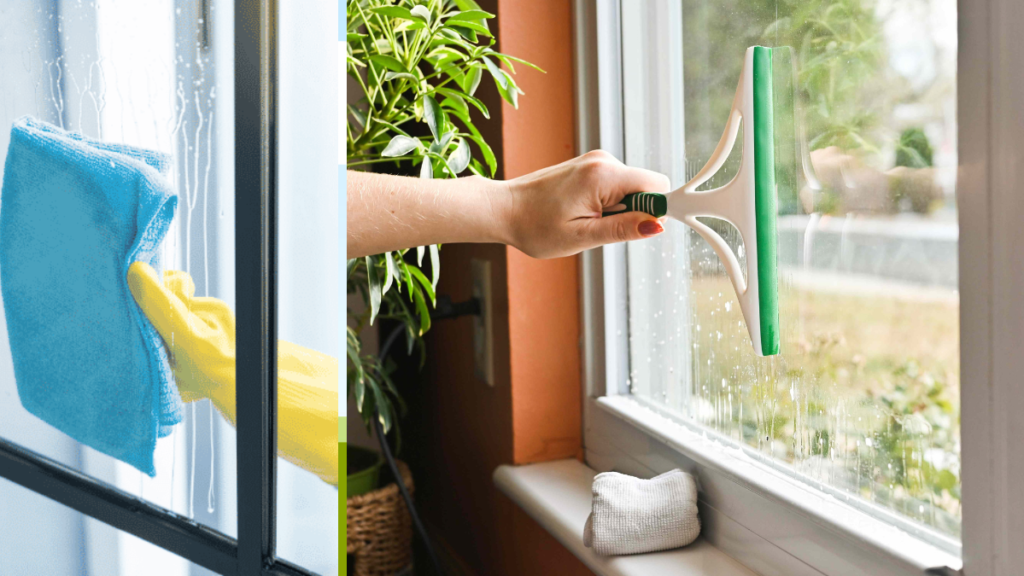

Clean windows can transform the appearance of a home, office, shop, or commercial building. Clear glass allows more natural light into a room, makes a property look better maintained, and can even improve the overall impression of an entrance or storefront. While washing glass may seem like a simple household chore, getting consistently streak-free results requires the right products, equipment, technique, and timing.
A professional window cleaner understands that good results involve much more than spraying glass and wiping it with a cloth. Dust, pollen, fingerprints, grease, mineral deposits, bird droppings, and hard-water marks can all affect the finish. The type of glass, frame material, building height, weather conditions, and frequency of cleaning also make a difference.
For homeowners, understanding the basics can make regular maintenance easier and help prevent damage. For businesses, clean windows contribute to a professional appearance and create a more welcoming environment for customers, visitors, and employees. As the old saying goes, “The clearest view starts with clean glass,” and a careful cleaning routine can make that difference immediately.
What Does a Window Cleaner Do?
A window cleaner is responsible for removing dirt and buildup from glass surfaces, frames, sills, and surrounding areas. Depending on the property, the work may involve residential windows, office buildings, retail premises, conservatories, skylights, glass doors, or larger commercial structures. The objective is not simply to make glass look clean but to leave it clear, polished, and free from avoidable marks.
Professional cleaning can also involve specialist methods for difficult surfaces. Traditional squeegee cleaning remains popular, while water-fed pole systems are widely used for exterior windows. For particularly stubborn contamination, specialist tools may be required. Good cleaners also know when a surface needs gentle treatment rather than aggressive scrubbing.
The job combines practical skill with attention to detail. A cleaner needs to understand how different surfaces react to cleaning solutions, how much pressure to use, and how to work safely around fragile glass or elevated windows. This is why experienced professionals can often produce better results in less time than someone attempting a large property for the first time.
Why Clean Windows Matter
The most obvious benefit of clean windows is improved appearance. Bright, clear glass can make a room feel fresher and more spacious, while dirty windows can make an otherwise attractive property appear neglected. For businesses, this first impression can be especially important because customers often notice entrances and windows before they enter a building.
Natural light is another major advantage. Dirt and residue can reduce the amount of daylight passing through glass, particularly when deposits have accumulated over a long period. Keeping windows clean helps rooms feel brighter and can make interior spaces more pleasant during the day.
Clean glass also supports better property maintenance. Regular attention allows problems such as damaged seals, cracked panes, deteriorating frames, or blocked drainage channels to be noticed earlier. In that sense, window cleaning is not merely cosmetic; it can form part of a wider property care routine.
Professional Window Cleaning Equipment
The equipment used by a window cleaner depends on the property and the cleaning method. A basic kit may include a squeegee, washer sleeve, bucket, scraper, microfiber cloths, extension pole, cleaning solution, and protective gloves. Commercial work can require additional equipment, especially when windows are difficult to reach.
Water-fed pole systems have become particularly useful for exterior cleaning. These systems use purified water pumped through a long pole to reach windows from ground level. Because purified water contains very few dissolved minerals, it can dry without leaving the usual spots associated with ordinary tap water.
| Equipment | Main purpose | Best suited to |
|---|---|---|
| Squeegee | Removes cleaning solution and water | Interior and accessible exterior glass |
| Microfiber cloth | Detailing and wiping edges | Frames, corners, and finishing |
| Water-fed pole | Reaches elevated exterior windows | Homes and commercial buildings |
| Window washer | Applies cleaning solution | Large glass surfaces |
| Glass scraper | Removes stubborn deposits | Suitable hard-glass surfaces |
| Purified water system | Spot-free exterior cleaning | Regular professional maintenance |
| Extension pole | Extends cleaning reach | Higher or awkward windows |
Using the correct equipment improves both efficiency and finish quality. It also reduces the temptation to improvise with unsuitable household tools that can scratch glass, damage seals, or leave lint behind.
Choosing the Right Cleaning Solution
A quality cleaning solution should loosen dirt without leaving a heavy residue. Many professional cleaners use specially formulated glass-cleaning products because they are designed to evaporate cleanly and work effectively with squeegees. For routine household cleaning, a mild solution can often be sufficient.
The important principle is avoiding excessive product. More detergent does not automatically mean cleaner glass. Too much solution can leave a film that attracts dust and creates hazy streaks after drying. As one practical rule puts it, “Use enough solution to lift the dirt, not enough to leave a layer behind.”
The condition of the glass should also determine the approach. Greasy fingerprints may need a stronger cleaning solution, while lightly dusty windows can usually be cleaned with a gentler mixture. Some specialist glass surfaces require manufacturer-approved products, particularly if they have coatings or treatments.
The Best Technique for Streak-Free Glass
Good technique is one of the biggest differences between an average result and a professional-looking finish. A common approach begins by removing loose dust and debris before applying cleaning solution. This prevents larger particles from being dragged across the glass during washing.
The glass is then washed evenly, with particular attention paid to corners and edges. A clean squeegee blade is drawn across the surface using controlled strokes. The blade should maintain consistent contact with the glass, while excess water is removed from the rubber edge between passes when necessary.
Edges deserve special attention because small amounts of moisture left around frames can create marks or encourage dirt accumulation. A dry microfiber cloth can be used for final detailing. The goal is not simply to make the glass appear clean while wet but to achieve a clear finish once everything has dried.
How Often Should Windows Be Cleaned?
The ideal cleaning schedule depends on the location and environment of the property. Homes in relatively sheltered areas may only require several professional cleans each year, while properties near busy roads, construction sites, industrial areas, or coastal environments may need more frequent attention.
Commercial premises often benefit from a regular schedule because appearance is part of customer-facing presentation. Shops, restaurants, offices, hotels, and reception areas can quickly look untidy when fingerprints, dust, rain marks, and traffic pollution build up on glass.
Seasonal cleaning can also be useful. Spring cleaning removes winter grime, while an autumn service can clear accumulated dust and organic debris before colder weather arrives. Regular maintenance is generally easier than waiting until heavy buildup requires intensive cleaning.
Interior and Exterior Window Cleaning
Interior glass often accumulates fingerprints, cooking residue, dust, and condensation marks. These contaminants can usually be handled with standard glass-cleaning equipment, although areas such as kitchens may require additional attention because grease can form a stubborn film.
Exterior windows face a different combination of challenges. Rainwater, airborne pollution, pollen, bird droppings, insects, and mineral deposits can accumulate on exposed surfaces. Hard-water residue can be particularly difficult to remove once it has bonded strongly to the glass.
A professional approach considers both sides of the window rather than treating them as identical surfaces. Exterior cleaning may require purified water or specialist equipment, while interior work usually demands careful protection of flooring, furniture, walls, and window furnishings.
Window Cleaning Safety
Safety should always be a priority, particularly when windows are above ground level. Reaching a high window from an unstable chair, improvised platform, or unsecured ladder can create unnecessary risk. Professional cleaners use appropriate equipment and follow safe working practices based on the property.
Water and electricity also need careful consideration. Electrical outlets, extension leads, lighting fixtures, and powered equipment should be kept away from unnecessary moisture. Indoor floors can become slippery during cleaning, so spills should be controlled and cleaned promptly.
For high-rise or difficult-access buildings, specialist contractors may use dedicated access equipment and trained personnel. The right method depends on building height, window design, surrounding obstacles, and local safety requirements. Saving a little time is never worth compromising safe working conditions.
Common Window Cleaning Mistakes
One of the most common mistakes is using a dirty cloth or contaminated squeegee blade. Cleaning equipment collects dirt during use, and transferring that dirt back onto the glass can create smears rather than remove them. Clean tools are essential for a consistent finish.
Another mistake is cleaning glass in direct, intense sunlight. Rapid drying can cause cleaning solution to evaporate before it is properly removed, making streaks much more visible. Working during cooler parts of the day or choosing a shaded side of the building can make the process easier.
People also sometimes use abrasive materials to remove stubborn marks. This can scratch glass or damage specialist coatings. A mark that looks difficult may require a specific glass-safe treatment rather than increased pressure. “When glass resists cleaning, change the method before increasing the force” is a useful principle for protecting surfaces.
Hard Water Marks and Stubborn Stains
Hard-water marks are caused by minerals left behind when water evaporates. Over time, these deposits can become increasingly difficult to remove with ordinary glass cleaner. They may appear as cloudy patches, white spots, or rings that remain visible even after routine washing.
Removing mineral deposits requires care because aggressive scraping or abrasive cleaning can damage the glass. Specialist mineral-removal products may be appropriate for some surfaces, but the product should be compatible with the glass before use.
Prevention is often easier than restoration. Regular exterior cleaning reduces the amount of time mineral deposits remain on the surface. Properties supplied with particularly hard water may benefit from purified-water cleaning, which minimizes mineral residue during routine maintenance.
Hiring a Professional Window Cleaner
When choosing a professional, look beyond price alone. Experience, reliability, insurance, equipment, safety practices, and attention to detail can all affect the final result. A very low quote may not represent good value if the service is rushed or performed without suitable equipment.
It is also helpful to consider whether the cleaner has experience with the type of property involved. A small residential service and a multi-storey commercial building require different skills, equipment, and planning. Clear communication about access, frequency, and the condition of the windows can help establish realistic expectations.
A reputable professional should treat the property with care. That includes protecting interiors, avoiding unnecessary damage, handling equipment responsibly, and leaving the surrounding area tidy. The best service is one that produces clean glass without creating additional problems.
How Much Does Window Cleaning Cost?
Pricing varies considerably depending on property size, number of windows, accessibility, location, frequency, and cleaning method. A small home with easily accessible windows will generally require less time and equipment than a large property with multiple floors or difficult access.
Some cleaners charge per window, while others calculate prices according to the size of the property or the estimated time required. One-off deep cleans may also cost more than recurring maintenance because heavily neglected glass takes longer to restore.
When comparing prices, the service included should be considered alongside the headline figure. Interior and exterior cleaning, frames, sills, conservatory roofs, difficult-access glass, and specialist stain removal may all be treated differently.
Eco-Friendly Window Cleaning
Environmentally conscious cleaning is becoming increasingly important for homeowners and businesses. Using appropriate quantities of cleaning solution can reduce unnecessary chemical use, while reusable microfiber cloths can limit disposable waste.
Purified-water systems can also be useful because they reduce reliance on strong detergents for many exterior applications. Responsible water use remains important, however, and cleaning companies should operate equipment efficiently rather than allowing water to run continuously without purpose.
A greener approach does not have to mean sacrificing quality. Good technique, efficient equipment, reusable materials, and sensible product selection can produce excellent results while reducing unnecessary environmental impact.
Window Cleaning for Businesses
For businesses, clean windows can contribute to a polished and professional image. Retail stores depend heavily on attractive displays, while restaurants and cafés often benefit from bright, clean frontage. Offices also look more welcoming when exterior glass is free from dirt and streaks.
Regular commercial maintenance can be especially valuable because dirt accumulates gradually and may become noticeable only after it has reached an obvious level. A planned schedule prevents the building from reaching that point and makes cleaning easier to manage.
For customer-facing businesses, clean windows complement other forms of presentation such as signage, landscaping, lighting, and entrance maintenance. Small visual details can collectively influence how visitors perceive a company.
Maintaining Clean Windows Between Services
Regular professional cleaning works best when supported by simple everyday care. Fingerprints can be removed before they become stubborn, and condensation can be managed to reduce moisture-related marks around frames and sills.
Avoid using abrasive sponges, rough paper towels, or unsuitable household chemicals on glass. These may create tiny scratches, leave fibers behind, or damage surrounding materials. Soft microfiber cloths are generally a safer choice for light maintenance.
Curtains, blinds, and window screens should also be kept reasonably clean. Dust from these areas can transfer back onto recently cleaned glass. A complete window-care routine therefore considers the entire window area rather than the glass alone.
The Benefits of a Regular Cleaning Routine
A consistent cleaning schedule keeps windows looking better throughout the year instead of relying on occasional intensive restoration. Regular maintenance also makes each visit more efficient because dirt has less opportunity to become firmly bonded to the surface.
Clean windows can improve the perceived brightness of interiors, enhance curb appeal, and support a well-maintained appearance. For businesses, regular service can also help maintain a consistent presentation across different seasons and weather conditions.
Perhaps the biggest benefit is convenience. Instead of waiting until glass becomes visibly dirty, scheduled maintenance makes window care predictable. A professional service can become another routine part of property maintenance rather than a last-minute task.
Conclusion
Clean windows are a small detail with a surprisingly large effect on how a property looks and feels. Clear glass allows natural light to enter, improves visual appeal, and gives homes and businesses a more carefully maintained appearance. Achieving that result consistently depends on the right tools, cleaning products, technique, and safety practices.
Whether the work is handled personally or by a professional window cleaner, regular maintenance is usually more effective than occasional deep cleaning. Paying attention to glass condition, frames, hard-water deposits, access requirements, and environmental factors can help protect windows while keeping them looking their best.
The most effective approach is simple: use suitable equipment, avoid harsh methods, clean consistently, and treat every glass surface according to its condition. With that combination, sparkling windows become less of a difficult chore and more of an easy, manageable part of property care.
Frequently Asked Questions
How often should a window cleaner visit a home?
The ideal frequency depends on the property’s surroundings, weather exposure, and personal preference. Many homes benefit from cleaning several times a year, while properties near busy roads, trees, construction, or coastal areas may need more frequent service.
Regular visits also prevent heavy buildup from becoming difficult to remove. A consistent schedule is generally more efficient than waiting until windows are heavily stained or visibly neglected.
Is professional window cleaning worth the cost?
Professional cleaning can be worthwhile when windows are numerous, difficult to reach, or frequently exposed to heavy dirt. Experienced cleaners can work efficiently and often have specialist equipment that homeowners may not own.
The value is also related to safety and convenience. Hiring a professional can eliminate the need to work at height and can provide a more consistent finish across the entire property.
What is the best equipment for cleaning windows?
A quality squeegee, washer sleeve, microfiber cloth, bucket, suitable cleaning solution, and scraper for appropriate surfaces form the foundation of many cleaning kits. Exterior professionals may also use water-fed poles and purified-water systems.
The best equipment depends on the type and location of the glass. Tools designed for ground-level residential windows may not be suitable for large commercial or elevated installations.
Can hard-water stains be removed from glass?
Many hard-water deposits can be reduced or removed with suitable specialist treatments, although the difficulty depends on how long the minerals have remained on the glass. Heavy deposits may require careful professional treatment.
Aggressive scraping or abrasive products should be avoided unless they are specifically suitable for the glass. Incorrect methods can cause permanent scratches or damage protective coatings.
Does rain make window cleaning pointless?
Rain does not automatically make previous cleaning pointless, but dirty rainwater can leave marks when it dries, especially on exterior glass exposed to pollution and minerals. Weather conditions should therefore be considered when scheduling a cleaning visit.
A professional window cleaner may choose suitable conditions that allow the glass to be cleaned efficiently. Light rain is not always a problem, but heavy rainfall, strong winds, or extreme weather can make the work less practical and less safe.
What makes windows streak after cleaning?
Streaks are commonly caused by excess cleaning solution, dirty tools, an old squeegee blade, poor technique, or glass drying before the water is properly removed. Direct sunlight can also cause rapid evaporation and make streaks more noticeable.
Using clean equipment and controlled amounts of solution helps prevent the problem. Finishing the edges with a clean microfiber cloth can also improve the final appearance and remove small areas of remaining moisture.
Read also Carrera Bike: A Complete Guide to Choosing the Right Bike for Your Riding Style