
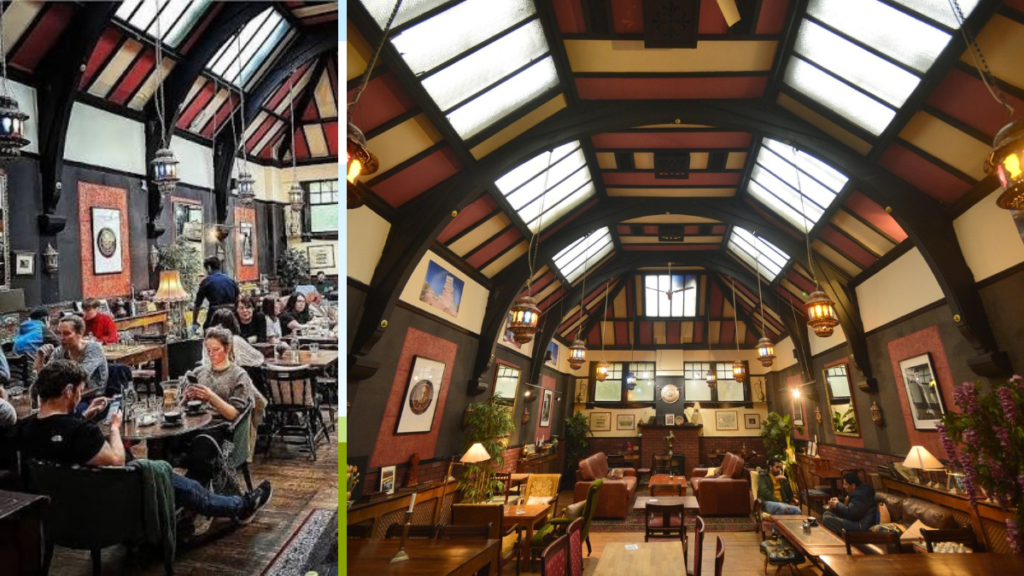

An ottoman coffee house represents much more than a place to enjoy a cup of coffee. It reflects a rich cultural tradition shaped by conversation, hospitality, craftsmanship, and centuries of social history. Inspired by the coffeehouses of the Ottoman Empire, these establishments bring together traditional brewing methods, distinctive flavours, and an atmosphere that encourages people to slow down and appreciate the moment.
Today, the idea of an ottoman coffee house appeals to coffee enthusiasts, history lovers, travellers, and anyone who enjoys discovering cultural experiences through food and drink. Some establishments recreate the atmosphere of historic Turkish cafés, while others combine traditional coffee preparation with contemporary interiors, desserts, and modern hospitality.
Whether the interest lies in Turkish coffee, Ottoman-inspired architecture, traditional refreshments, or the history of coffee culture, understanding these establishments offers a fascinating look at how a simple drink became an important part of everyday life across different communities.
The History Behind the Ottoman Coffee House
Coffee became an important part of Ottoman social life during the sixteenth century. Although coffee originated in Ethiopia and developed a strong cultural presence in Yemen, it spread throughout the Ottoman world through trade, travel, and changing social customs. By the middle of the sixteenth century, coffee drinking had become increasingly popular in cities such as Istanbul.
Coffeehouses began appearing in Istanbul during the 1550s. These establishments provided spaces where people could meet outside their homes, exchange news, discuss business, enjoy entertainment, and build social connections. Their popularity grew because they offered something different from private family gatherings and formal public institutions.
The traditional ottoman coffee house gradually became a recognisable feature of urban life. Customers could spend hours talking with friends, listening to storytellers, playing board games, or discussing current events. Coffee was the centrepiece, but conversation and community were equally important.
How Coffeehouses Changed Social Life
Before coffeehouses became widespread, many social interactions took place in homes, markets, religious settings, or workplaces. Coffeehouses created another kind of gathering place where people from different backgrounds could meet and exchange ideas.
Merchants discussed commercial opportunities, writers shared stories, and travellers brought information from distant places. These conversations helped coffeehouses develop a reputation as lively centres of communication and cultural exchange.
Their influence extended beyond drinking coffee. In many communities, these spaces became places where people followed political developments, heard local news, and participated in discussions about society. The coffeehouse therefore became an important institution within Ottoman urban culture.
The Growth of Coffee Culture Across the Ottoman Empire
As Ottoman influence expanded, coffee culture travelled into regions connected through commerce, administration, and migration. Coffeehouses appeared in cities across the eastern Mediterranean, the Balkans, North Africa, and parts of southeastern Europe.
Local communities adapted coffee traditions to their own tastes and customs. Although the basic preparation of finely ground coffee remained influential, serving styles, accompanying sweets, and social practices varied from place to place.
This diversity explains why Ottoman coffee culture cannot be understood through a single recipe or interior design. It developed through centuries of cultural exchange, with each region contributing its own traditions to the broader coffeehouse experience.
What Makes an Ottoman Coffee House Unique?
An ottoman coffee house is generally associated with traditional Turkish coffee, historic design influences, warm hospitality, and a relaxed social atmosphere. However, there is no single modern standard that every establishment must follow.
Some venues focus primarily on authentic Turkish coffee and traditional desserts. Others incorporate Ottoman-inspired furnishings, decorative ceramics, patterned textiles, and architectural details that evoke the historic period. The strongest examples combine these visual elements with thoughtful service and a genuine appreciation for coffee traditions.
The experience is often deliberately slower than a typical takeaway coffee visit. Guests may sit for an extended period, enjoy a small cup of coffee, share a dessert, and spend time talking without feeling rushed.
Traditional Turkish Coffee Preparation
Turkish coffee is one of the most recognisable features associated with Ottoman coffee culture. It is traditionally prepared using very finely ground coffee, water, and, when desired, sugar. The ingredients are combined in a small pot called a cezve, which is often made from copper or another suitable metal.
The coffee is heated carefully, allowing a layer of foam to develop near the surface. It is then poured into small cups without filtering out the grounds. These grounds settle at the bottom as the drink rests.
Unlike filtered coffee, Turkish coffee has a concentrated flavour and a distinctive texture. Its preparation depends on attention to heat, grind size, proportions, and timing. The resulting drink is often served in small quantities because of its intensity.
Hospitality and the Art of Serving Coffee
Hospitality is central to traditional coffee culture. Coffee is commonly offered as a gesture of welcome, friendship, or respect. Serving it properly involves more than delivering a drink; presentation, timing, and the comfort of guests all contribute to the experience.
Turkish coffee may be accompanied by a small piece of Turkish delight, chocolate, or another sweet treat. A glass of water is also frequently served to refresh the palate before or alongside the coffee.
These details help create a sense of occasion. Even a short visit can feel personal when the coffee is carefully prepared and served with consideration.
Popular Drinks Found in an Ottoman-Inspired Café
Coffee is usually the main attraction, but an Ottoman-inspired café may offer a wider selection of traditional beverages. The menu depends on the establishment, its regional influences, and whether it focuses on historical authenticity or a contemporary interpretation.
Turkish coffee remains the classic choice for visitors who want to experience the traditional brewing method. However, other coffee styles, teas, and refreshing drinks can appeal to customers with different preferences.
The following table explains several beverages commonly associated with Turkish and broader Ottoman-inspired café culture.
| Drink | Main ingredients | Taste and texture | Typical serving style |
|---|---|---|---|
| Turkish coffee | Finely ground coffee and water | Strong, rich, and concentrated | Small cup with settled grounds |
| Menengiç coffee | Roasted terebinth fruit or related traditional ingredients | Nutty, earthy, and often creamy | Small cup, sometimes with milk |
| Turkish tea | Black tea and hot water | Robust, fragrant, and refreshing | Small tulip-shaped glass |
| Salep | Milk and salep-based thickener, often flavoured with cinnamon | Creamy, warming, and gently spiced | Warm cup or mug |
| Sherbet | Fruit, flowers, herbs, or spices with water and sweetener | Sweet and refreshing, depending on the recipe | Small glass or larger serving |
| Arabic-style coffee | Coffee, often with cardamom | Aromatic, light to strong depending on preparation | Small cup or traditional coffee vessel |
Not every establishment serves all these drinks, and recipes vary by region. The table provides a useful introduction rather than a fixed menu for every traditional café.
Turkish Coffee and Its Distinctive Flavour
Turkish coffee is valued for its strong aroma, rich body, and traditional preparation. Because the coffee grounds remain in the cup, the drink develops a character that differs from espresso, drip coffee, and other filtered methods.
Its flavour can range from chocolatey and nutty to bitter and smoky, depending on the beans, roast, and preparation. Sugar can be added during brewing rather than after serving, allowing customers to choose their preferred sweetness.
A well-prepared cup balances strength with aroma. Excessive heat or careless preparation can create undesirable bitterness, while suitable grinding and gentle heating help preserve the drink’s distinctive character.
Tea and Other Traditional Refreshments
Tea also plays an important role in Turkish hospitality. Although coffeehouses are closely associated with coffee, tea is a familiar everyday beverage across Turkey and many neighbouring regions.
Black tea is commonly prepared in a two-part kettle system, allowing concentrated tea to be diluted with hot water according to individual preference. It is usually served without milk, although personal preferences differ.
Other traditional refreshments, including sherbet and salep, can provide alternatives for customers who prefer something sweet, cooling, or warming. Their presence also reflects the wider history of hospitality in the region.
Ottoman Coffee House Interior Design and Atmosphere
Interior design helps establish the character of an Ottoman-inspired café. Traditional influences may include wooden furniture, decorative lamps, patterned textiles, handcrafted ceramics, carved details, and warm colours.
These elements can evoke historic settings without requiring every establishment to reproduce a particular palace or period building. A thoughtful design usually balances visual richness with comfortable seating, suitable lighting, and practical arrangements for serving customers.
A successful atmosphere should feel inviting rather than overcrowded. Decorative objects are most effective when they support the experience instead of distracting from it.
Traditional Furniture and Decorative Details
Wooden tables, cushioned benches, ornate screens, and decorative metalwork are often used to create an Ottoman-inspired appearance. Some establishments incorporate geometric patterns and floral motifs associated with traditional regional crafts.
Ceramic plates, copper coffee pots, and carefully selected textiles can add authenticity to the setting. These details connect the visual experience with the methods and materials historically associated with hospitality.
However, traditional design does not require expensive antiques or elaborate ornamentation. Well-chosen reproductions, locally made crafts, and simple materials can create an appealing environment when they are arranged thoughtfully.
Creating a Relaxed Social Environment
The atmosphere of a café depends on more than its furniture. Lighting, music, seating arrangements, staff interactions, and the general pace of service all influence how customers feel.
Soft lighting and comfortable seating can encourage longer visits, while tables arranged at suitable distances allow people to enjoy private conversations. Some venues offer quiet corners for reading or working, whereas others prioritise lively group gatherings.
An ottoman-inspired setting is especially effective when it encourages guests to enjoy their surroundings without feeling pressured to leave quickly. The aim is to make coffee drinking a meaningful experience rather than simply a transaction.
Traditional Desserts and Food Served With Coffee
Desserts complement the flavours of Turkish coffee and contribute to the broader café experience. Sweet pastries, nut-based treats, and syrup-soaked desserts are common choices in establishments influenced by Turkish and Ottoman culinary traditions.
The selection varies according to the café’s location and culinary focus. Some offer a small menu of traditional sweets, while others provide a broader range of pastries, cakes, and savoury snacks.
Pairing food with coffee can also introduce visitors to flavours they may not encounter in their everyday routines. A small dessert alongside a concentrated coffee creates a contrast between bitterness, sweetness, and texture.
Turkish Delight and Baklava
Turkish delight, known in Turkish as lokum, is a traditional confection often flavoured with rose, citrus, or other ingredients. Some varieties include pistachios, hazelnuts, or other additions that provide extra texture.
Its soft, chewy consistency makes it a natural accompaniment to coffee. A small piece can provide sweetness without overwhelming the flavour of the drink.
Baklava is another popular choice. Made from layers of thin pastry, nuts, and syrup or honey-based sweetening, it is rich and intensely flavoured. Pistachio and walnut versions are especially familiar, although recipes differ across regions.
The sweetness of baklava contrasts with the robust character of Turkish coffee, making the combination appealing to people who enjoy traditional desserts.
Other Pastries and Savoury Snacks
Depending on the establishment, the menu may include biscuits, cakes, filled pastries, breads, or savoury snacks. Some cafés combine Turkish specialties with local baked goods to reflect the tastes of their surrounding community.
Savoury foods can be useful for visitors who want a light meal rather than a dessert. Cheese pastries, small sandwiches, and regional snacks may be offered alongside tea or coffee.
A carefully selected menu supports the atmosphere of the establishment. Rather than offering an unnecessarily large selection, a café can focus on well-prepared items that complement its drinks and reflect its culinary identity.
The Cultural Importance of Ottoman Coffeehouse Traditions
Coffeehouses historically functioned as informal meeting places where social life, entertainment, and information came together. Their significance extended beyond the drink itself, making them valuable subjects for anyone interested in Ottoman history.
The institutions were not identical across the empire. Their customers, rules, activities, and cultural influence varied according to location and period. Nevertheless, coffeehouses became an enduring part of public life in many Ottoman cities.
Traditional coffee preparation and serving customs continue to preserve elements of this history. In 2013, Turkish coffee culture and tradition were inscribed on UNESCO’s Representative List of the Intangible Cultural Heritage of Humanity, recognising the practice’s social significance and its associated rituals.
Coffee as a Symbol of Friendship
Offering coffee has long been associated with welcoming guests and strengthening social relationships. The gesture can communicate respect, warmth, and a willingness to spend time together.
The preparation and serving of coffee can also create opportunities for conversation. Instead of treating the drink as a quick source of energy, traditional customs encourage people to appreciate the moment and the company around them.
A useful way to describe the tradition is that coffee is not merely served; it is shared. This idea captures the social meaning of hospitality without reducing the custom to a single recipe.
Storytelling, Games, and Conversation
Historic coffeehouses were associated with storytelling, poetry, music, games, and lively discussion. The particular activities differed from one establishment to another, reflecting local customs and the interests of their customers.
Board games such as backgammon remain familiar in many contemporary Turkish cafés. Some venues also feature live music, cultural events, or readings that connect visitors with traditional forms of entertainment.
These activities demonstrate why the historical coffeehouse was more than a commercial business. It offered a setting in which people could exchange ideas, develop friendships, and participate in the cultural life of their community.
How to Choose an Authentic Ottoman-Inspired Coffee House
Choosing a suitable establishment depends on the experience a visitor wants. Some customers prioritise traditional brewing methods, while others are drawn to interior design, regional desserts, or a quiet place to socialise.
An authentic experience does not necessarily require a historic building or elaborate decorations. Attention to coffee preparation, hospitality, ingredient quality, and cultural details can be more meaningful than appearance alone.
Visitors should also recognise that modern cafés may interpret Ottoman traditions creatively. A contemporary venue can offer an enjoyable experience without claiming to reproduce every historical practice.
Look for Proper Coffee Preparation
A useful sign of quality is whether the café prepares Turkish coffee using finely ground coffee and an appropriate brewing method. Staff should understand how to control the heat and serve the drink with its characteristic foam and settled grounds.
Freshness also matters. Coffee beans lose aroma over time, and poor storage can weaken the final flavour. A café that pays attention to ingredients and preparation is more likely to produce a satisfying cup.
Traditional serving details, such as small cups and optional sugar levels, can add to the experience. However, personal taste remains important, and no single preparation style guarantees that every customer will prefer the result.
Consider the Menu, Service, and Setting
A good café offers a menu that matches its identity. Traditional beverages and complementary sweets can indicate a considered approach, while clear menu descriptions help visitors understand unfamiliar ingredients.
Friendly service is equally important. Staff who can explain the brewing process or recommend a suitable dessert make the visit more informative and enjoyable.
The setting should also meet practical needs. Comfortable seating, cleanliness, reasonable noise levels, and clear pricing all contribute to a positive experience. These everyday details matter just as much as decorative features.
Starting an Ottoman-Inspired Coffee House Business
An Ottoman-inspired café can appeal to customers seeking specialty coffee, cultural experiences, and traditional desserts. However, building a successful business requires more than choosing historical decorations and adding Turkish coffee to the menu.
The business needs a clear identity, consistent product quality, appropriate pricing, trained staff, and an understanding of its target market. The historical theme should support the customer experience rather than replace sound business planning.
Market research is a useful starting point. Owners should assess local demand, nearby competitors, customer spending habits, and the availability of suitable ingredients before investing heavily in equipment or interior design.
Developing a Distinctive Menu
A focused menu can make the establishment easier to manage and help customers understand its purpose. Turkish coffee may serve as the central product, supported by tea, selected traditional refreshments, and a manageable range of desserts.
Ingredient quality should remain consistent across every serving. Standardised recipes, staff training, and suitable storage practices help reduce waste and improve reliability.
Seasonal additions can introduce variety without making the menu unnecessarily complicated. For example, warming drinks may attract interest during colder months, while chilled refreshments can appeal during warmer weather.
Building a Memorable Customer Experience
Customer experience begins before the first cup arrives. Clear signage, welcoming staff, comfortable seating, and an understandable menu help establish trust.
The service should explain traditional products without making visitors feel unfamiliar with the culture. Short descriptions of the coffee’s preparation, flavour, or history can add educational value while remaining accessible.
A successful business also needs to manage operating costs, maintain hygiene standards, and respond to customer feedback. When cultural storytelling is combined with reliable service, the café can develop a recognisable identity and encourage repeat visits.
The Modern Appeal of Ottoman Coffee Culture
Modern consumers increasingly encounter coffee as part of a broader lifestyle experience. Specialty cafés, traditional brewing techniques, carefully designed interiors, and distinctive food pairings can attract people who want something beyond standard takeaway beverages.
Ottoman-inspired establishments fit naturally into this wider interest in regional food and drink traditions. They offer opportunities to discover Turkish coffee, explore historical influences, and enjoy a more leisurely approach to hospitality.
Social media has also made visually distinctive cafés more visible. Decorative cups, patterned interiors, traditional serving trays, and carefully presented desserts can encourage people to share their experiences. However, visual appeal works best when supported by good coffee and genuine service.
Balancing Tradition With Contemporary Expectations
Modern cafés must accommodate changing customer needs without losing the qualities that make their concept distinctive. Comfortable seating, accessible menus, alternative milk options where suitable, and convenient payment methods can make traditional products easier to enjoy.
At the same time, the central traditions should remain recognisable. Proper preparation, attention to hospitality, and respect for cultural context help prevent the theme from becoming purely decorative.
The most successful approach is not necessarily to recreate the past exactly. It is to preserve meaningful traditions while allowing the experience to remain relevant to contemporary visitors.
Frequently Asked Questions
What is an Ottoman coffee house?
An ottoman coffee house is a café concept inspired by the coffeehouses that developed throughout the Ottoman Empire. It typically centres on traditional coffee, hospitality, social interaction, and, in modern interpretations, historical design influences.
What coffee is traditionally served in an Ottoman coffee house?
Turkish coffee is the best-known traditional choice. It is made with very finely ground coffee and water, often with optional sugar, and is brewed in a small pot before being served unfiltered in small cups.
What food is commonly served with Ottoman-style coffee?
Popular accompaniments include Turkish delight, baklava, biscuits, and other traditional pastries. Some establishments also serve savoury snacks and regional desserts, depending on their menu and location.
Is an Ottoman coffee house the same as a Turkish café?
The terms overlap, but they are not always identical. A Turkish café may focus on contemporary everyday dining, tea, and coffee, while an Ottoman-inspired establishment may place additional emphasis on historical atmosphere, traditional serving customs, and cultural heritage.
Why were Ottoman coffeehouses historically important?
They provided public spaces for conversation, storytelling, entertainment, business discussions, and the exchange of information. Their role extended beyond refreshments, making them important social institutions in many Ottoman cities.
How is Turkish coffee different from regular filtered coffee?
Turkish coffee uses an exceptionally fine grind and is served without filtering. The grounds settle at the bottom of the cup, producing a concentrated drink with a fuller texture than most filtered coffee.
Does every Ottoman-inspired café serve traditional desserts?
No. Menus vary by establishment. Many serve Turkish delight or baklava, while others combine traditional beverages with contemporary cakes, pastries, or local snacks.
What should visitors look for in a quality Ottoman-inspired café?
Visitors can consider the quality of the coffee, the preparation method, the freshness of the ingredients, the service, and the overall atmosphere. Traditional design can enhance the experience, but good hospitality and well-prepared drinks are equally important.
Conclusion
An ottoman coffee house brings together the pleasures of traditional coffee, cultural discovery, and meaningful social interaction. Rooted in the coffeehouse traditions of the Ottoman Empire, the concept reflects a long history in which drinking coffee became closely connected with hospitality, conversation, and community life.
From the careful preparation of Turkish coffee to the enjoyment of baklava and the warmth of traditional interiors, these establishments offer an experience that goes beyond an ordinary café visit. Their appeal lies in the combination of distinctive flavours, thoughtful service, and an atmosphere that encourages people to slow down.
Whether experienced in a traditional setting or a contemporary café inspired by Ottoman heritage, this coffee culture continues to connect the past with the present. Its lasting value comes from a simple idea: a well-prepared cup of coffee can create an opportunity for people to gather, share stories, and enjoy time together.
Read also Lucy Letby Retrial: What Happened, What Changed, and What Could Come Next