
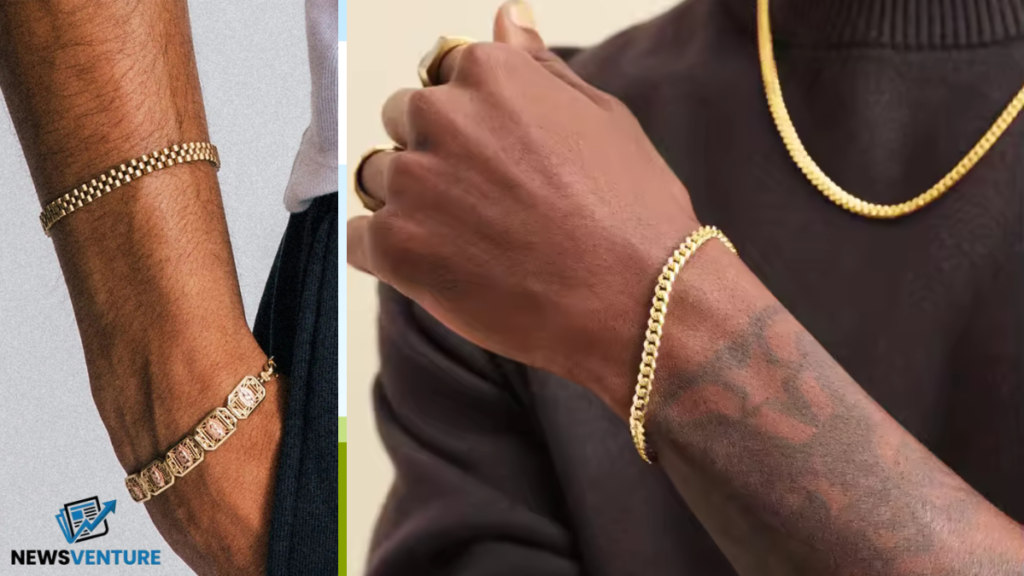

A gold bracelet for men can add a refined finishing touch to almost any outfit. Whether the goal is a subtle everyday accessory or a bold statement piece, gold offers a combination of tradition, luxury, and versatility that has kept it popular for generations. From classic Cuban links and Figaro chains to minimalist cuffs and elegant ID bracelets, there are styles available for almost every personality and wardrobe.
Choosing the right bracelet involves more than simply picking the design that catches your eye. Gold purity, construction, bracelet width, wrist size, clasp quality, color, weight, and intended use all affect the final choice. A bracelet worn every day needs different characteristics from one reserved for special occasions, while someone who prefers understated accessories may have very different requirements from someone who enjoys substantial jewelry.
This guide explores the most important things to know before buying a men’s gold bracelet. It explains gold karats, popular designs, sizing, colors, construction, pricing factors, styling ideas, authenticity, maintenance, and common purchasing mistakes so that you can make a more informed jewelry decision.
Why a Gold Bracelet for Men Remains a Timeless Accessory
Gold has a distinctive place in men’s fashion because it can be both traditional and contemporary. A simple chain bracelet can complement a casual shirt and jeans, while a substantial Cuban link can become the centerpiece of an outfit. Gold also works naturally alongside watches, rings, necklaces, and other accessories, making it relatively easy to incorporate into an existing jewelry collection.
The appeal is also connected to the material itself. Gold does not depend on a particular fashion season, and solid gold jewelry can be maintained and worn for many years. The exact appearance depends on the karat and alloy, but yellow, white, and rose gold provide different visual possibilities. This allows men to choose something that fits their personal style rather than following a single jewelry trend.
A gold bracelet for men can therefore serve several purposes. It may be a personal accessory, a meaningful gift, a milestone purchase, or part of a larger collection. The right piece does not necessarily need to be large or expensive. Proportion, craftsmanship, and suitability for the wearer are often more important than sheer size.
Understanding Gold Purity and Karats
Gold jewelry is commonly described by karat, which indicates the proportion of pure gold in the alloy. Pure gold is 24K, but it is relatively soft, so jewelry is generally made by combining gold with other metals. The World Gold Council lists 14K gold at approximately 58.3% gold and 18K gold at 75% gold.
This difference affects appearance, composition, and practical characteristics. A 14K bracelet contains more alloying metals than an 18K bracelet, while an 18K piece contains a greater percentage of pure gold. The remaining metals can influence hardness and color, which is why different karats and gold colors can look and feel different.
| Gold Type | Approx. Gold Content | General Characteristics | Common Use |
|---|---|---|---|
| 10K | 41.7% | Lower gold content, generally harder | Everyday jewelry |
| 14K | 58.3% | Balance of gold content and durability | Daily-wear bracelets |
| 18K | 75% | Higher gold content and richer appearance | Fine and luxury jewelry |
| 22K | 91.7% | Very high gold content, softer alloy | Traditional and specialty jewelry |
| 24K | 99.9% | Nearly pure gold, very soft | Limited jewelry applications |
The appropriate karat depends on priorities rather than a universal rule. Someone who wants a bracelet for frequent wear may consider durability alongside gold content, while someone focused on higher purity may prefer 18K or another high-karat option.
14K vs 18K Gold for Men’s Bracelets
Fourteen-karat gold is a popular choice for jewelry because it provides a substantial amount of gold while incorporating alloy metals that increase hardness. According to the World Gold Council, 14K contains approximately 58.3% gold. This makes it a common option for people looking for a practical balance between gold content and everyday wear.
Eighteen-karat gold contains approximately 75% pure gold and is often associated with fine jewelry. Its higher gold content can produce a richer appearance, depending on the alloy and color. It may be particularly appealing to buyers who prioritize purity and a more luxurious presentation.
Neither option automatically suits every wearer. The decision should take into account how often the bracelet will be worn, the desired appearance, the budget, and the importance placed on gold purity. Understanding the distinction is more useful than choosing a karat simply because it has a larger number.
Solid Gold vs Gold-Plated Men’s Bracelets
One of the most important distinctions to understand when shopping for a gold bracelet for men is the difference between solid gold and gold-plated jewelry. Solid gold jewelry is made from a gold alloy throughout its construction, with the karat marking identifying the gold content. Gold plating, by contrast, involves applying a layer of gold over another material. The Federal Trade Commission explains that plating can eventually wear away depending on factors such as wear and the thickness of the coating.
Gold-filled and gold-overlay products are also different from solid gold. These terms describe jewelry containing a mechanically applied layer of gold over a base metal, subject to specific labeling requirements. Understanding these terms helps prevent confusion when comparing products with dramatically different prices.
If longevity and the material itself are important priorities, solid gold deserves careful consideration. If the primary goal is achieving a gold appearance at a lower initial cost, plated alternatives may provide another route. The important point is to know exactly what the product description means before purchasing.
Popular Gold Bracelet Styles for Men
Men’s gold bracelets are available in a wide variety of constructions, and the link pattern can dramatically change the overall appearance. Some designs are bold and highly visible, while others are understated and designed to blend naturally with a watch or other jewelry.
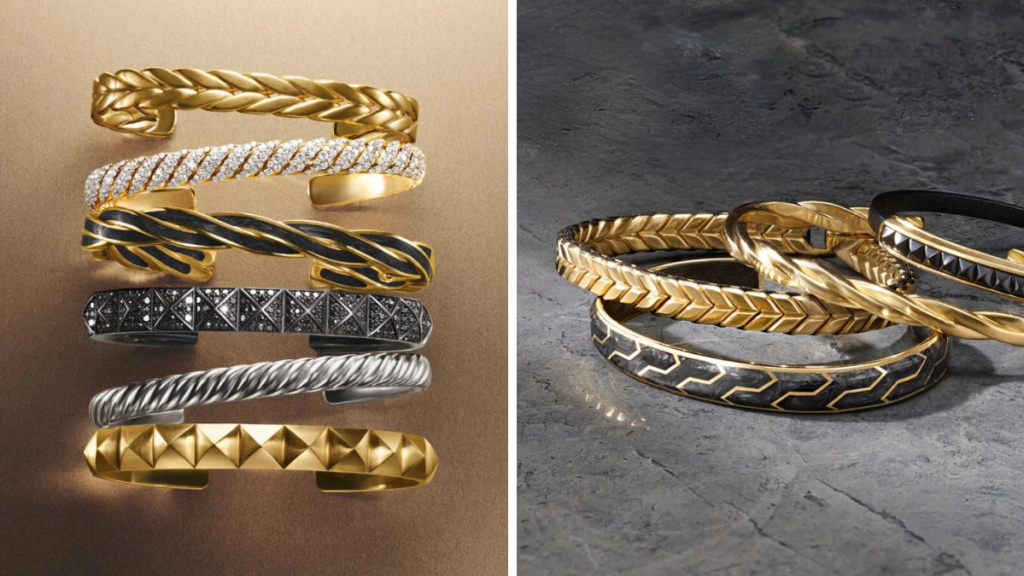
Common men’s bracelet styles include Cuban or curb links, Figaro links, rope chains, box chains, ID bracelets, cuffs, bead bracelets, and tennis bracelets. Contemporary collections also include geometric links and mixed-metal designs. The appropriate style depends largely on the wearer’s wardrobe and preferred level of visual impact.
Cuban Link Gold Bracelets
Cuban link bracelets are among the most recognizable men’s jewelry designs. They typically feature closely connected links that create a dense, substantial appearance across the wrist. Depending on the width and construction, a Cuban bracelet can range from relatively discreet to extremely bold.
A narrower Cuban link can work well as an everyday accessory, especially when paired with a watch. Wider versions create a more noticeable statement and may be particularly suitable for occasions where jewelry is intended to attract attention. The quality of the links, connecting points, and clasp should be considered carefully because these components influence both appearance and longevity.
Figaro Gold Bracelets
Figaro bracelets are characterized by a repeating pattern of links, traditionally involving a combination of shorter links and a longer link. This creates visual rhythm without producing the dense appearance associated with some Cuban designs.
The style can work well for men who want traditional gold jewelry with a little more variation. Figaro bracelets are available in different widths and gold colors, making them adaptable to casual and formal wardrobes. A thinner design can appear refined, while a wider version produces a stronger visual presence.
Rope Gold Bracelets
Rope bracelets feature links or strands designed to create a twisted appearance. The texture catches light from different angles, giving the bracelet movement and visual detail even when the piece is relatively narrow.
A rope bracelet can be worn independently or combined with other accessories. Because its surface is visually textured, it can add interest to an otherwise simple outfit without necessarily requiring a very wide bracelet.
Gold Cuff Bracelets for Men
Cuff bracelets offer a more minimalist alternative to traditional chain-link designs. Instead of interconnected links, a cuff generally has a solid curved structure that sits around the wrist.
The clean silhouette makes cuffs particularly suitable for contemporary wardrobes. They can be subtle enough for everyday wear while still providing the unmistakable warmth of gold. Open cuffs may also offer some adjustability, although the construction should not be repeatedly bent because excessive manipulation can damage certain designs.
Gold ID Bracelets
ID bracelets combine a chain or linked structure with a central plate that can sometimes be engraved. They have a long association with personalized jewelry and can make meaningful gifts for birthdays, anniversaries, graduations, or other milestones.
The engraving can be simple, such as initials or a date, or more personal depending on the design. Because the central plate becomes a focal point, buyers should consider its size and proportion in relation to the wrist.
Choosing the Right Gold Color
Yellow gold remains the most traditional choice and provides the recognizable warm appearance many people associate with gold jewelry. It can work especially well with classic chain patterns such as Cuban, Figaro, and rope bracelets.
White gold offers a cooler appearance that can resemble the visual character of platinum or silver. It may appeal to men who prefer understated or modern jewelry. Rose gold, which gets its warmer pinkish tone from its alloy composition, provides another alternative for people looking for something distinctive.
The choice of color is primarily about aesthetics. A man’s existing watch, rings, necklaces, clothing, and personal preferences can all provide useful clues when deciding between yellow, white, and rose gold.
How to Choose the Right Bracelet Size
Getting the length right is essential for comfort. A bracelet that is too tight can restrict movement and feel uncomfortable, while one that is excessively loose can move around the wrist or become easier to catch on clothing and objects.
A practical starting point is to measure the wrist with a flexible measuring tape or a strip of paper. The measurement should be taken around the area where the bracelet will naturally sit. After obtaining the wrist circumference, additional room can be considered depending on the desired fit and bracelet construction.
Different bracelet styles can require slightly different fitting approaches. A flexible chain bracelet can tolerate some movement, while a rigid cuff needs a more deliberate fit. The manufacturer’s sizing information should therefore be checked before ordering.
How Bracelet Width Changes the Look
Width has a major influence on how a gold bracelet for men appears. A narrow bracelet tends to look subtle and can be easier to combine with a watch. Medium-width bracelets provide a balance between visibility and versatility, while very wide designs create a much stronger statement.
The size of the wrist should also be considered. A very wide bracelet can visually dominate a smaller wrist, while a very narrow bracelet may appear understated on a larger wrist. Proportion is more important than following a particular trend.
Width also affects weight and price when the bracelet is made from solid gold. More material generally means greater weight, which can affect both comfort and the overall cost of the piece.
How Much Does a Gold Bracelet Cost?
The price of a gold bracelet for men depends on several factors rather than gold purity alone. Gold weight, karat, bracelet design, workmanship, brand, gemstones, construction, and retail markup can all influence the final price.
A lightweight bracelet containing less gold can cost considerably less than a heavy Cuban link, even when both use the same karat. Similarly, an intricate handmade design may carry additional labor costs compared with a simpler chain.
Gold prices also change over time, so current market conditions should be considered when evaluating the price of a solid-gold bracelet. Buyers should compare the product’s gold content, weight, construction, and documentation instead of judging value purely from the final price tag.
How to Check the Authenticity of a Gold Bracelet
Authenticity is one of the most important considerations when buying valuable jewelry. Look for an appropriate karat or fineness marking and learn what the marking means. The FTC recommends paying attention to quality marks and the identifying trademark or responsibility mark associated with the seller or manufacturer in the U.S. market.
However, a stamp alone should not be treated as the only evidence of authenticity. Reputable sellers, clear product descriptions, invoices, return policies, and independent professional testing can provide additional reassurance for expensive purchases.
When shopping online, examine the seller’s reputation and policies carefully. The FTC specifically recommends researching sellers and checking return policies before purchasing precious-metal jewelry.
Choosing a Clasp That Will Last
The clasp is one of the most important functional parts of a bracelet because it secures the piece to the wrist. A beautiful bracelet can become frustrating if the closure is difficult to operate or does not feel secure.
Different designs use different closure systems, including lobster clasps, box clasps, spring rings, magnetic closures, and folding mechanisms. The appropriate option depends on the bracelet’s construction and weight.
For a valuable solid-gold bracelet intended for regular wear, the clasp deserves as much attention as the links. Inspect how it opens and closes, whether it feels secure, and whether additional safety features are included where appropriate.
How to Style a Gold Bracelet With a Watch
A gold bracelet for men can be paired naturally with a wristwatch, but proportion matters. If the watch is large and visually dominant, a very wide bracelet may create a crowded appearance. A slimmer bracelet can provide balance without competing with the watch.
Matching metals can create a coordinated look, but contrasting metals can also work when handled deliberately. For example, yellow gold can sit alongside a stainless-steel watch for a mixed-metal aesthetic.
The bracelet does not need to perfectly match every accessory. Instead, repeating one element, such as gold accents, can help create visual consistency throughout an outfit.
Wearing a Gold Bracelet With Casual Clothing
Gold does not have to be reserved for formal occasions. A simple bracelet can work with jeans, a plain shirt, polo shirt, knitwear, or other everyday clothing. The key is choosing a design that matches the level of formality.
A slimmer Figaro, rope, or curb bracelet can provide a subtle finishing detail. More substantial Cuban links may create a stronger streetwear-inspired appearance and can become the central accessory of a simple outfit.
Keeping the rest of the jewelry relatively controlled can help the bracelet remain intentional rather than making the overall look feel overloaded.
Wearing Gold Bracelets With Formal Outfits
For formal clothing, understated designs can work particularly well. A refined bracelet worn with a tailored suit can add personality without distracting from the overall appearance.
A slim chain or minimalist cuff may be particularly suitable for formal settings. Larger statement bracelets can also be worn, but they naturally draw more attention and should be considered alongside the watch, cufflinks, rings, and other accessories.
The best approach is to consider the entire outfit rather than treating the bracelet as an isolated item.
Caring for a Gold Bracelet
Regular care helps preserve the appearance of gold jewelry. A bracelet can accumulate oils, dust, cosmetic residue, and other substances through normal use. Gentle cleaning with an appropriate jewelry-cleaning method can help maintain its appearance.
When cleaning valuable jewelry, follow the manufacturer’s recommendations because different designs may include gemstones, coatings, or other materials requiring special care. Harsh chemicals and unsuitable cleaning methods can damage certain components.
Storage also matters. Keeping the bracelet separately from harder jewelry can reduce unnecessary scratching and surface wear. A soft jewelry pouch or dedicated compartment can help protect the piece when it is not being worn.
When to Remove a Gold Bracelet
Even durable jewelry can benefit from being removed during certain activities. Heavy exercise, contact sports, manual work, swimming, and situations involving chemicals can expose a bracelet to unnecessary physical or chemical stress.
Removing the bracelet before activities that could catch, bend, scratch, or contaminate it is a simple precaution. This is particularly relevant for valuable solid-gold pieces because repairs can be expensive depending on the damage.
If a bracelet is worn every day, developing a consistent routine for removing it during higher-risk activities can help protect both the metal and the clasp.
Common Mistakes to Avoid When Buying
One common mistake is focusing entirely on appearance without checking the construction. A bracelet may look impressive in photographs but still have a clasp, links, or finish that does not suit the intended use.
Another mistake is confusing gold-plated jewelry with solid gold. Product descriptions should be read carefully so that terms such as plated, filled, overlay, vermeil, gold-tone, and solid gold are not treated as interchangeable. The FTC provides specific explanations for several of these terms.
Buyers should also avoid choosing a bracelet without measuring the wrist. Even an excellent design can be uncomfortable when the length is inappropriate. Weight should be considered as well, particularly when selecting a large bracelet for everyday use.
Is a Gold Bracelet a Good Gift for Men?
A gold bracelet for men can make a meaningful gift because jewelry can mark important personal occasions and remain useful long after the event. A classic style can be particularly appropriate when the recipient’s personal taste is not completely known.
For gifting, versatile designs are often easier to wear than extremely specialized pieces. A medium-width chain in a traditional gold color can work with different wardrobes and occasions.
Personalization can add another dimension. An ID bracelet with engraving, for example, can commemorate a date, name, initials, or milestone. The engraving should be selected carefully because personalization can make returns or exchanges more complicated.
How to Choose a Bracelet for Everyday Wear
Everyday wear calls for a practical combination of comfort, durability, and personal style. The bracelet should not be so heavy that it becomes inconvenient, nor should its construction be unnecessarily delicate for the wearer’s lifestyle.
A medium-width chain in a durable gold alloy can provide a versatile starting point. The choice of 14K or 18K should then reflect the buyer’s priorities regarding gold content, appearance, and budget.
The clasp should receive particular attention for everyday pieces because frequent opening and closing can place additional demands on the closure mechanism. A well-constructed bracelet should feel secure without being unnecessarily difficult to operate.
Gold Bracelet Trends and Personal Style
Jewelry trends can influence which designs appear frequently in stores and fashion publications, but timeless styles remain useful because they do not depend entirely on a particular season. Cuban, curb, Figaro, rope, and minimalist designs can all be adapted to different wardrobes.
Current men’s jewelry also includes more experimentation with proportions, mixed metals, geometric forms, and layering. These trends give buyers more opportunities to personalize their look without abandoning classic gold.
Ultimately, the most useful trend is one that fits naturally into the wearer’s lifestyle. A bracelet that feels comfortable and suits existing clothing is more likely to become a regular part of a wardrobe.
Frequently Asked Questions About Gold Bracelets for Men
What karat gold is best for a men’s bracelet?
The choice depends on the intended use and personal priorities. Fourteen-karat gold contains approximately 58.3% gold and is widely used for jewelry where a balance of gold content and durability is desirable. Eighteen-karat gold contains approximately 75% gold and is often selected for its higher gold content and richer appearance.
Neither karat is universally appropriate for every wearer. Consider how frequently the bracelet will be worn, the desired appearance, budget, and preference for gold purity before choosing.
Is a gold bracelet for men suitable for everyday wear?
Yes, a properly selected bracelet can be worn regularly. The most important considerations are construction, fit, clasp quality, and the activities performed while wearing it.
Removing jewelry during strenuous physical activity, manual work, or situations involving chemicals can reduce unnecessary wear and potential damage.
How can I tell if a men’s gold bracelet is real?
Start by examining the quality or fineness marking and the seller’s documentation. In the United States, the FTC advises consumers to look for a karat quality mark and an associated trademark or responsibility mark.
For expensive purchases, professional testing can provide additional assurance. Buying from an established seller with transparent policies and documentation can also reduce the risk of receiving incorrectly described jewelry.
What is the difference between solid gold and gold-plated jewelry?
Solid gold jewelry is made from a gold alloy throughout the item, with the karat indicating its gold content. Gold-plated jewelry has a layer of gold applied over another material, and that layer can eventually wear away through use.
Gold-filled and gold-overlay products are separate categories and should not automatically be treated as solid gold. Reading the exact product description is essential when comparing jewelry.
How should a men’s gold bracelet fit?
A bracelet should generally feel secure without being painfully tight. The ideal amount of movement depends on the design and personal preference.
Measure the wrist before ordering and compare the result with the manufacturer’s sizing information. Remember that a rigid cuff and a flexible chain may require different approaches to achieving a comfortable fit.
Can a gold bracelet be worn with a watch?
Yes. Gold bracelets and watches can work together particularly well when their proportions are balanced. A slimmer bracelet can complement a large watch, while a larger bracelet can make a stronger statement alongside a simpler timepiece.
Matching metals can create a coordinated appearance, while mixed metals can provide a contemporary contrast. The key is to consider the overall combination rather than requiring every accessory to be identical.
Final Thoughts on Choosing a Gold Bracelet for Men
Choosing a gold bracelet for men ultimately comes down to understanding the relationship between material, design, fit, quality, and personal style. Gold purity determines the proportion of gold in the alloy, while the bracelet’s construction determines how it looks and performs in everyday situations.
Cuban, Figaro, rope, ID, cuff, and other designs offer different visual characteristics, while yellow, white, and rose gold provide additional ways to personalize the final appearance. Buyers should also pay close attention to wrist measurements, bracelet width, clasp construction, seller reputation, and the distinction between solid gold and plated alternatives.
A thoughtful purchase does not have to be the largest or most expensive bracelet available. The right piece is one that fits comfortably, matches the wearer’s style, has clearly described materials, and can realistically become part of the wardrobe for years to come.