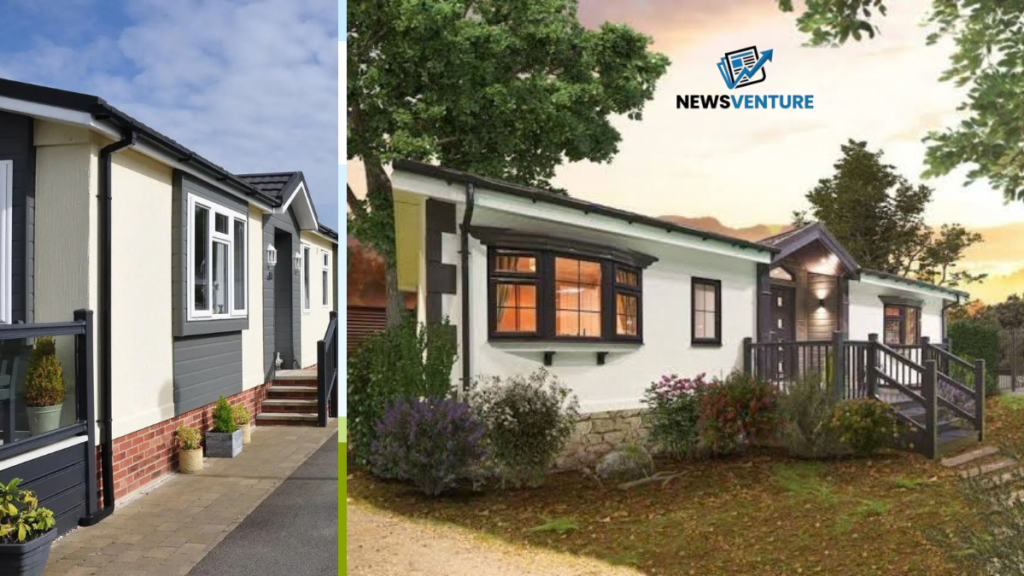

Residential park homes for sale have become an increasingly popular choice for people looking for a comfortable, manageable, and often more affordable way to own a home. These properties can offer the feel of a traditional house while providing the advantages of living within a purpose-designed residential park community.
Unlike holiday lodges, residential park homes are designed for permanent occupation on sites that are licensed for residential use. They are available in a wide range of designs, from compact one-bedroom homes to spacious modern properties with multiple bedrooms, open-plan living areas, private gardens, and parking spaces.
For buyers who want to simplify their lifestyle, residential park living can be particularly appealing. Many parks are designed with landscaped surroundings, quiet roads, communal facilities, and a strong sense of community. At the same time, buyers need to understand important details such as site fees, park rules, ownership arrangements, council tax, and the distinction between residential and holiday-use properties.
Whether you are downsizing, looking for a quieter place to live, or simply exploring an alternative to conventional bricks-and-mortar housing, understanding the market can help you make a more informed decision.
What Are Residential Park Homes?
Residential park homes are factory-built properties situated on designated residential park sites. They are generally constructed to modern standards and can resemble traditional bungalows in appearance. Although the home itself may be manufactured, contemporary designs can include attractive kitchens, spacious bedrooms, en-suite bathrooms, double glazing, central heating, and energy-efficient features.
One important point is that a residential park home should not automatically be confused with a holiday lodge or static caravan. A residential property is intended to be someone’s main permanent residence, provided the park has the appropriate residential planning permission and licensing arrangements.
The style of residential park living varies considerably between locations. Some developments are aimed primarily at retirees and may have age restrictions, while others are suitable for a wider range of residents. Parks can be found in rural areas, coastal locations, market towns, and on the outskirts of major communities.
This variety means that buyers should look beyond the appearance and price of the home. The park itself is an important part of the purchase because its location, management, facilities, rules, and community atmosphere can have a major effect on everyday life.
Why More Buyers Are Considering Park Home Living
One of the biggest attractions of residential park homes for sale is the opportunity to enjoy a simpler style of living. Many properties are single-storey, which can make everyday life more convenient for people who prefer fewer stairs and easier access throughout the home.
Maintenance can also be more manageable than with some traditional properties. Modern park homes are often designed with practical layouts and relatively straightforward exterior maintenance. Smaller gardens and purpose-built surroundings may appeal to buyers who want to spend less time looking after a large property.
Location is another important advantage. Residential parks are often carefully selected for their surroundings, with some offering countryside views, proximity to the coast, or convenient access to local shops and transport links.
The social side of park living can also be valuable. Some communities have shared facilities or organised activities, while others simply provide a quieter neighbourhood atmosphere. As one common description of park living puts it, “the lifestyle is as important as the home itself,” because buyers are purchasing into a particular residential environment rather than simply buying a building.
Types of Homes Available on Residential Parks
The range of homes available can be surprisingly broad. Traditional-looking park bungalows remain popular, but contemporary models can have large windows, modern kitchens, open-plan living spaces, and stylish exterior finishes.
Single-bedroom properties can work well for individuals or couples seeking a compact home. Two-bedroom layouts are particularly common and provide additional space for guests, hobbies, or a home office. Larger models may offer three bedrooms, multiple bathrooms, and generous living areas.
Some residential park homes are brand new, while others are resales. A new home may provide the benefit of modern fixtures, fresh finishes, and manufacturer warranties, whereas an established property can sometimes offer better value depending on its age, condition, and location.
Buyers should also consider the position of the home within the park. A property at the edge of a development may offer more privacy or views, while a centrally positioned home could be closer to communal areas and facilities.
| Feature | What to Consider | Why It Matters |
|---|---|---|
| Home size | Number of bedrooms and living space | Determines whether the layout suits your lifestyle |
| Park location | Rural, coastal, suburban or town setting | Affects convenience and long-term enjoyment |
| Site fees | Current charges and possible increases | Important for budgeting ongoing costs |
| Tenure and agreement | Terms governing occupation and the pitch | Defines your rights and responsibilities |
| Energy efficiency | Insulation, heating and glazing | Can influence running costs |
| Parking | Private or communal parking arrangements | Useful for households with vehicles |
| Outdoor space | Garden, patio or decking | Adds usable living space |
| Park rules | Pets, age restrictions, alterations and other rules | Determines whether the community suits you |
Understanding the Cost of Residential Park Homes
The advertised purchase price is only one part of the financial picture. Anyone researching residential park homes for sale should calculate the complete cost of ownership before committing to a property.
In addition to the purchase price, residents may have ongoing pitch or site fees. These charges can cover the management and maintenance of communal areas and other services associated with the park. The exact amount and arrangements vary between developments.
Council tax may also apply, depending on the property and its circumstances. Utility bills, insurance, maintenance, and other household expenses should be included in a realistic monthly budget.
Buyers should carefully review the paperwork associated with the home and park. The agreement should make clear how site fees work, how they can change, and what responsibilities fall to the homeowner and the park operator.
A useful approach is to calculate both the initial purchase cost and the expected annual running expenses. A property that looks inexpensive at first may not necessarily be the most economical choice if its ongoing costs are significantly higher.
New and Pre-Owned Park Homes
New residential park homes can be attractive to buyers who want modern interiors and the opportunity to choose certain finishes. Depending on the manufacturer and seller, new properties may include contemporary kitchens, integrated appliances, modern bathrooms, energy-efficient heating, and upgraded insulation.
There is also something appealing about moving into a home where everything is clean, fresh, and unused. However, new homes can carry a premium, so buyers should compare them with comparable resale properties on the same or nearby parks.
Pre-owned homes can provide excellent value when properly inspected. Some established properties have been upgraded by previous owners with new kitchens, bathrooms, flooring, windows, heating systems, or landscaping.
Condition is especially important when purchasing an older property. Buyers should look carefully at the roof, external cladding, windows, plumbing, heating, electrics, flooring, and signs of damp or water ingress. Professional advice can be worthwhile where there is uncertainty about the condition of the home.
Choosing the Right Residential Park
The park itself deserves as much attention as the property. Even a beautifully presented home may not be suitable if the surrounding location or park management does not meet your expectations.
Start by considering everyday convenience. Check the distance to supermarkets, pharmacies, medical services, public transport, restaurants, leisure facilities, and other places you regularly use. A peaceful rural location can be attractive, but being too far from essential services may become inconvenient.
It is also worth visiting the park at different times of day when possible. A development can feel completely different in the morning, afternoon, or evening. Pay attention to traffic, noise, parking, cleanliness, landscaping, and the general condition of communal areas.
Speak with existing residents if appropriate. They may provide practical insights into the community, management arrangements, maintenance standards, and day-to-day experience that are difficult to discover from a property advertisement alone.
Location Matters More Than Many Buyers Expect
Location plays a major role in the long-term appeal of residential park homes for sale. A property in a desirable area may be easier to sell later and can provide better access to amenities and attractions.
Coastal parks can appeal to buyers who enjoy beaches, seaside towns, and scenic walks. Rural parks can provide peace and open surroundings, while developments close to towns may offer a useful balance between tranquillity and convenience.
Transport should also be considered. If you do not drive, check bus routes, railway stations, taxis, and walking distances to essential services. If you own a car, investigate parking arrangements and road access.
The immediate surroundings matter too. Look at neighbouring land, planned developments, flood risks, local traffic, and environmental conditions. A quiet view today may change if construction is planned nearby.
Residential Park Rules and Restrictions
Every park operates under its own set of rules and agreements. These can cover issues such as pets, parking, gardening, alterations, subletting, age requirements, noise, and the appearance of properties.
Understanding these rules before buying is essential. A buyer who wants to keep several pets, make extensive modifications, or rent out a property may discover restrictions that affect their plans.
Age restrictions are particularly relevant on retirement-oriented developments. Some parks have minimum age requirements, while others are designed for residents of different age groups.
Buyers should request and read the relevant documents rather than relying solely on verbal statements. Written terms provide a much clearer understanding of what is permitted and what responsibilities apply.
Financing a Park Home Purchase
Financing a park home can work differently from financing a conventional house. Traditional residential mortgages are not always available because the legal structure and ownership arrangements can differ from those associated with standard property.
Some buyers purchase park homes using savings or proceeds from selling another property. Others may explore specialist finance products, depending on their circumstances and the type of home involved.
Before making an offer, it is sensible to establish how the purchase will be funded. Buyers should also consider the costs associated with moving, legal advice, inspections, insurance, furnishings, and any immediate improvements.
A specialist adviser with experience in park homes can help explain the financing landscape and identify potential limitations before a buyer becomes committed to a particular property.
How to Assess a Park Home Before Buying
A viewing should go beyond simply checking whether the interior looks attractive. Look carefully at the home’s condition and consider how well the layout will work for everyday life.
Inspect windows and doors for signs of deterioration or condensation. Look for staining, unusual smells, soft flooring, damaged walls, or other potential indications of moisture problems. Check heating controls, kitchen appliances, bathroom fittings, and visible plumbing.
Outside, examine the roof, cladding, guttering, steps, decking, driveway, and garden. Ask about the age of major components and whether significant repairs or replacements have been carried out.
It is also important to establish what is included in the sale. Fixtures, appliances, sheds, garden furniture, decking, and other items may or may not form part of the agreement.
Legal and Ownership Considerations
The legal structure of a park home purchase can differ from buying a conventional freehold house. Buyers should understand exactly what they are purchasing and what rights they receive in relation to the pitch and park.
The written agreement is particularly important. It can contain information about pitch fees, responsibilities, restrictions, maintenance, and other aspects of the relationship between the homeowner and site owner.
Independent legal advice can help a buyer understand the documentation before completing the transaction. This is especially useful for anyone unfamiliar with park home ownership.
Buyers should also check whether there are any outstanding issues relating to the property or pitch. Taking time to verify the details before signing can prevent unpleasant surprises later.
Making a Park Home Feel Like Your Own
One advantage of modern residential park homes is that they can often provide a comfortable base for personalisation. Furniture, lighting, soft furnishings, artwork, storage, and garden design can transform a standard layout into a distinctive home.
Interior design does not necessarily need to be expensive. A carefully chosen colour scheme, practical storage, comfortable seating, and good lighting can make a relatively compact property feel spacious and welcoming.
Outdoor areas can be equally valuable. A patio, decking area, planted border, or seating space can extend the usable living environment during warmer months.
Before making structural alterations, however, always check the park’s rules. Certain changes may require permission or may not be permitted at all.
Selling a Park Home in the Future
Although buyers are often focused on the initial purchase, resale should also be considered. Demand can vary significantly depending on location, park reputation, property condition, age, and the wider housing market.
Keeping records of improvements and maintenance can be useful when it eventually comes time to sell. A well-maintained home with clear documentation can be easier to present to potential buyers.
The park itself can also influence resale appeal. Attractive communal areas, good management, convenient facilities, and a desirable location may contribute to buyer interest.
For anyone comparing residential park homes for sale, it is therefore sensible to think beyond the first few years and consider how the property might perform as a long-term home.
Common Mistakes to Avoid
One common mistake is focusing entirely on the purchase price. The ongoing site fee and household expenses are equally important when assessing affordability.
Another mistake is choosing a home without properly investigating the park. Buyers should assess the location, rules, management, community atmosphere, and future suitability rather than judging the property in isolation.
Skipping a detailed inspection can also create problems. Cosmetic presentation can sometimes hide maintenance issues, so buyers should take their time and seek professional assistance where appropriate.
Finally, never assume that a park home is automatically suitable for permanent residence. Confirm the site’s residential status and carefully check the relevant documentation before proceeding.
Who Can Benefit From Park Home Living?
Park homes can suit a variety of lifestyles. Retirees may appreciate single-storey layouts and quieter communities, while other buyers may value the opportunity to own a smaller and more manageable property.
People seeking to downsize may find that park living provides enough space for everyday needs without the maintenance demands of a large traditional house.
The lifestyle can also appeal to people who value outdoor surroundings and community living. However, suitability ultimately depends on personal circumstances, finances, location preferences, and the rules of the chosen development.
Final Thoughts on Residential Park Living
Residential park homes for sale can provide an appealing alternative to conventional housing, particularly for buyers who value manageable living spaces, attractive locations, and a strong sense of community. Modern designs can offer many of the comforts associated with traditional homes while providing a different approach to ownership and everyday living.
The most important part of the process is research. Look beyond photographs and asking prices. Investigate the park, understand the agreement, calculate ongoing costs, inspect the property carefully, and consider how well the location fits your lifestyle.
For the right buyer, a park home can be more than a smaller property. It can provide a comfortable, practical, and community-focused way of living. Taking the time to understand the financial and legal details makes it much easier to find a home that remains suitable for years to come.
Frequently Asked Questions
What are residential park homes for sale?
Residential park homes for sale are factory-built homes located on parks that are licensed and intended for permanent residential occupation. They can look similar to bungalows and may include modern kitchens, bathrooms, bedrooms, central heating, gardens, and parking.
Can you permanently live in a park home?
Permanent occupation is possible when the park has the appropriate residential permission and licensing arrangements. Buyers should confirm the site’s status before purchasing because holiday parks and residential parks have different purposes and rules.
Are park homes cheaper than traditional houses?
The initial purchase price can be lower than that of some conventional properties, but affordability depends on location, property condition, site fees, council tax, utilities, insurance, and other ongoing expenses. Comparing the complete cost of ownership is more useful than looking at the advertised price alone.
Do residential park homes have site fees?
Most residential parks charge pitch or site fees. These charges can contribute toward the operation and maintenance of the park and communal areas. The amount and method of calculation vary between developments, so buyers should examine the current agreement carefully.
Can you get a mortgage on a park home?
A standard residential mortgage may not always be available for a park home because ownership arrangements can differ from those of traditional houses. Some buyers use savings or specialist finance, depending on the property and their circumstances.
Are residential park homes suitable for retirement?
Many residential parks are designed specifically with retirement living in mind, offering single-storey homes and quieter surroundings. However, age restrictions and community arrangements vary, so the individual park should always be checked before purchase.
Can you keep pets in a park home?
Pet policies differ between parks. Some allow dogs, cats, and other animals subject to conditions, while others may have restrictions on the number or type of pets permitted. Buyers should check the park’s written rules before purchasing.
What should you check before buying a park home?
Important considerations include the home’s condition, residential status of the park, site fees, ownership agreement, park rules, location, council tax, utility costs, insurance, parking, age restrictions, and future resale considerations. Professional legal or specialist advice can also be valuable before completing the purchase.
Can residential park homes be resold?
They can generally be resold, but the process and financial arrangements can differ from those associated with conventional property. Resale demand may depend on the park’s location, reputation, property condition, age, and the wider market. Understanding the relevant resale rules before buying is therefore important.
You my read also M&S Sofa Bed: A Stylish Guide to Choosing the Right One for Your Home