
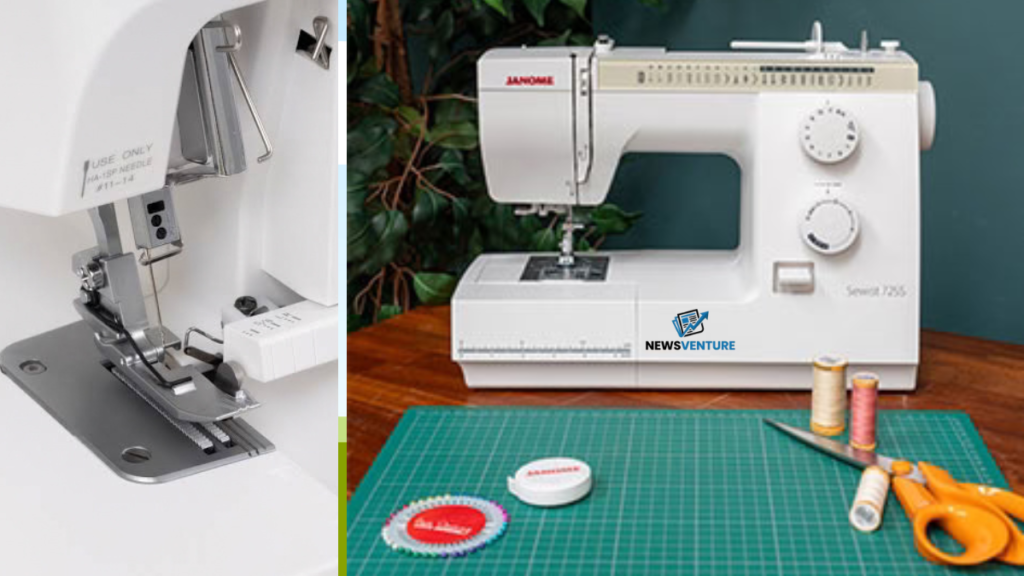

A Janome sewing machine can be a practical choice for beginners, home sewers, dressmakers, quilters, and experienced crafters who want dependable equipment for everyday projects. Janome is widely associated with sewing machines designed around ease of use, useful features, and a broad range of machine types. Whether the goal is simple clothing repairs or more ambitious creative work, choosing the right machine can make sewing more enjoyable and less frustrating.
The appeal of a Janome sewing machine often comes down to the balance between functionality and usability. Modern machines can include features such as automatic needle threading, adjustable stitch length, speed control, one-step buttonholes, free-arm sewing, and computerized stitch selection. Mechanical models can also be appealing because their controls are straightforward and easy to understand.
The right machine ultimately depends on what you sew, how frequently you sew, and which features genuinely matter to your projects. A person who mainly hems trousers does not need the same equipment as someone making quilts, costumes, bags, or garments every week. Understanding those differences is the first step toward making a sensible choice.
Why Janome Sewing Machines Are Popular
One reason Janome sewing machines remain popular is their focus on practical sewing. Instead of relying entirely on complicated technology, many models provide features that directly improve the sewing experience. Easy threading, clear controls, reliable feeding, and adjustable settings can make a noticeable difference when working on fabric for several hours.
Another benefit is the variety within the Janome range. There are compact machines for occasional sewing, mechanical machines suited to everyday projects, computerized models with larger stitch selections, and specialized machines designed for quilting or embroidery. This means the brand can appeal to people at very different stages of their sewing journey.
For a beginner, simplicity can be more valuable than having hundreds of decorative stitches. An experienced sewer may appreciate greater stitch control, a stronger motor, a larger work area, or advanced buttonhole functions. As one practical sewing principle puts it, “The best feature is the one that makes your actual project easier.”
Choosing a Machine for Your Sewing Style
Before buying a Janome sewing machine, think about the type of sewing you expect to do most often. Basic garment repairs, alterations, home décor, quilting, dressmaking, and crafting each place different demands on a machine. Identifying your main projects helps prevent paying for features that may rarely be used.
Fabric type also matters. Lightweight cotton and woven fabrics are generally easier to handle than multiple layers of denim, canvas, or upholstery material. If your projects regularly involve heavier fabrics, look for a machine with appropriate feeding capability, adjustable presser-foot pressure where available, and enough space to manage bulky pieces comfortably.
Your sewing frequency is another useful consideration. Someone sewing once every few months may value portability and uncomplicated controls. A frequent sewer may benefit from a sturdier construction, larger workspace, comfortable controls, and a broader range of stitch settings.
Mechanical and Computerized Machines Explained
Mechanical sewing machines are controlled primarily through physical dials, knobs, and levers. They can be particularly attractive to beginners because the relationship between the control and the sewing result is easy to see. Selecting a stitch, changing the length, and adjusting settings can feel intuitive after a little practice.
Computerized machines provide digital controls and often offer a larger selection of stitches and automated functions. Depending on the model, features may include speed control, memorized stitch combinations, automatic thread cutting, needle-position settings, and multiple buttonhole styles. These conveniences can save time during longer projects.
Neither design is automatically suitable for everyone. Mechanical machines can appeal to people who prefer simplicity and direct control, while computerized models can make repetitive or detailed work more convenient. The best approach is to match the machine’s controls to your personal sewing habits.
Important Features to Look For
When comparing a Janome sewing machine, pay attention to features that affect everyday usability rather than focusing only on the total stitch count. A machine with fewer but useful stitches can be more valuable than one packed with decorative patterns that you never use.
A dependable straight stitch is essential because it is used for seams, construction, repairs, and many quilting applications. Zigzag stitching is also important for finishing edges, sewing stretch fabrics on suitable models, and completing a variety of practical tasks. Adjustable stitch length and width provide additional control over the final result.
Other useful features can include an automatic needle threader, drop feed capability, free arm, adjustable presser-foot pressure, built-in lighting, and a convenient bobbin system. Speed control can be especially helpful for beginners because it allows them to concentrate on fabric handling instead of constantly managing the foot pedal.
| Feature | Why It Matters | Particularly Useful For |
|---|---|---|
| Automatic needle threader | Reduces the effort involved in threading the needle | Beginners and frequent sewers |
| Adjustable stitch length | Gives greater control over seam construction | Garments and repairs |
| Free arm | Makes curved and narrow areas easier to sew | Sleeves, cuffs and trouser hems |
| Speed control | Helps manage sewing pace | Beginners and detailed work |
| One-step buttonhole | Creates consistent buttonholes | Dressmaking and shirts |
| Drop feed | Allows greater control for certain sewing techniques | Quilting and free-motion work |
| Extension table | Provides additional workspace | Quilts and large projects |
| Multiple presser feet | Expands the machine’s practical capabilities | General sewing and specialty tasks |
Janome Sewing Machine Features for Beginners
For a beginner, the learning curve can be just as important as the machine’s technical specifications. A machine should make it relatively easy to learn threading, bobbin insertion, stitch selection, tension adjustment, and basic fabric control. Clear markings and accessible controls can remove much of the initial intimidation.
An automatic needle threader can be particularly convenient, although it is still useful to learn the traditional threading process. Beginners should also become comfortable with winding and inserting the bobbin correctly because poor bobbin installation can cause skipped stitches, thread nests, and uneven seams.
Speed control is another useful feature for someone developing confidence. Sewing slowly gives a new user more time to guide fabric accurately around curves and corners. Over time, faster stitching can become natural as hand coordination improves.
Using the Machine for Dressmaking and Alterations
A Janome sewing machine can be useful for a wide range of garment projects, from simple alterations to complete handmade outfits. Straight stitching handles most basic seams, while zigzag and other suitable stitches can help with edge finishing or fabrics that require additional flexibility.
Good garment sewing is not only about the machine. Accurate measuring, fabric preparation, pressing, pinning or clipping, and careful cutting are equally important. Even an advanced sewing machine cannot compensate for inaccurate seam allowances or poorly prepared fabric.
A useful habit is to test the stitch on a scrap of the actual fabric before beginning the final seam. This allows you to check thread tension, stitch length, fabric feeding, and needle choice. “Test first, sew second” is simple advice, but it can save considerable time and prevent avoidable mistakes.
Quilting and Creative Sewing Projects
Quilters often need a machine that offers a comfortable working area and consistent fabric feeding. Large quilt sections can become awkward when there is limited space to the right of the needle, so an extension table can make a significant difference.
A Janome sewing machine may also suit smaller quilting projects such as patchwork blocks, table runners, cushion covers, and fabric gifts. Straight-line quilting is accessible to many home sewers, while more advanced techniques can require additional accessories and practice.
For free-motion quilting, the ability to lower or disengage the feed dogs can be important on suitable models. A compatible quilting foot and appropriate needle can also improve control. As with garment sewing, practicing on spare fabric before working on the finished quilt is a smart way to develop confidence.
Sewing Different Types of Fabric
Different fabrics behave in different ways, and selecting the correct needle and settings is often more important than simply choosing a powerful machine. Lightweight fabrics can shift or pucker, stretch fabrics can be difficult to control, and thick fabrics may require careful feeding.
Cotton is generally a friendly material for beginners. Denim and canvas may require a suitable heavy-duty needle and careful attention to multiple layers. Jersey and other knit fabrics usually need a stretch-appropriate needle and a stitch that allows the finished seam to move with the fabric.
Always check the machine’s recommended capabilities before attempting unusually thick or specialized materials. Forcing fabric through the machine can damage needles, produce poor stitches, or place unnecessary strain on the equipment.
Getting Better Stitch Quality
Good stitch quality depends on several factors working together. Correct threading, an appropriately wound bobbin, a suitable needle, compatible thread, and proper tension all contribute to a clean seam. If one element is wrong, changing another setting may not solve the problem.
Needles should be replaced regularly rather than waiting until they become visibly damaged. A dull or bent needle can produce skipped stitches, fabric damage, thread breakage, and inconsistent results. The correct needle type and size should match the fabric and thread being used.
Thread tension should also be approached gradually. Instead of making large adjustments, test small changes on scrap material. Keep notes about settings that work well with frequently used fabrics, particularly if you sew the same types of garments or projects repeatedly.
Maintenance and Cleaning
Regular maintenance helps keep a Janome sewing machine working smoothly. Lint and loose threads can collect around the bobbin area, feed dogs, and other accessible parts of the machine. Removing this buildup according to the manufacturer’s maintenance instructions can help prevent problems.
The machine should also be protected from dust when it is not being used. A cover can reduce the amount of airborne debris reaching internal and external components. Keeping the machine on a stable, clean surface is another simple way to protect it.
Lubrication requirements vary by model, so it is important to follow the manufacturer’s instructions rather than applying oil indiscriminately. Some modern machines have specific maintenance procedures, and using the wrong product or applying it to the wrong area can cause problems.
Accessories That Make Sewing Easier
A good selection of accessories can significantly expand what you can accomplish with a sewing machine. Common presser feet include standard zigzag feet, zipper feet, buttonhole feet, blind hem feet, and specialty feet for particular techniques.
Extra bobbins are useful because running out of a prepared bobbin in the middle of a project can interrupt your workflow. A seam ripper is equally important. Even experienced sewers make mistakes, and removing stitches carefully is a normal part of sewing rather than a sign of poor technique.
A quality pair of fabric scissors, measuring tape, seam gauge, fabric clips, pins, marking tools, and an appropriate iron are also valuable. Sewing is a complete process, and the machine is only one part of the toolkit.
Getting the Most From a Janome Sewing Machine
The best way to become comfortable with a Janome sewing machine is to use it regularly. Start with straightforward projects that allow you to practice straight seams, curves, corners, backstitching, and basic finishing techniques. Confidence develops naturally when these fundamental movements become familiar.
Reading the machine manual is also worthwhile, even for experienced sewers. Manuals often explain specific functions, compatible presser feet, threading paths, maintenance procedures, and troubleshooting steps that are easy to overlook.
Do not feel pressured to use every available stitch. Decorative stitches can be enjoyable, but many successful sewing projects rely on a surprisingly small group of basic stitches. Consistency, fabric control, accurate cutting, and pressing often matter more than having an enormous stitch library.
Common Sewing Problems and Simple Solutions
Thread bunching underneath the fabric is often associated with incorrect upper threading, although bobbin placement and tension can also contribute. Re-threading the machine with the presser foot raised is a sensible first troubleshooting step because it helps ensure the thread passes correctly through the tension mechanism.
Skipped stitches can result from an unsuitable, damaged, or incorrectly installed needle. Replacing the needle and checking that it is inserted correctly can often resolve the issue. If the problem continues, the fabric, thread, needle type, and machine settings should all be considered.
Uneven seams can sometimes be caused by pulling or pushing the fabric while sewing. The feed dogs are designed to move the fabric at the appropriate rate, so the sewer should generally guide rather than force the material. Developing a light, steady touch can make stitching considerably smoother.
Buying Considerations and Long-Term Value
When evaluating a Janome sewing machine, consider the overall value rather than focusing only on the purchase price. A less expensive machine may be perfectly suitable for occasional repairs, while a frequent sewer may benefit from investing in greater convenience, workspace, or specialized capabilities.
Warranty coverage, available accessories, replacement parts, and servicing options can also matter over the long term. A sewing machine is a tool that may remain useful for many years, so reliability and support deserve attention alongside the initial cost.
It is also worth considering whether your sewing interests are likely to change. Someone beginning with simple alterations may eventually become interested in quilting, garment construction, embroidery, or home décor. Choosing a machine with useful room for growth can prevent the need for an immediate upgrade.
Conclusion
A Janome sewing machine can provide a practical foundation for learning, repairing, creating, and developing advanced sewing skills. The brand’s broad selection means that different users can look for different combinations of simplicity, stitch variety, workspace, automation, and specialized functions.
The most important step is matching the machine to the work you actually plan to do. Focus on fabric types, project size, sewing frequency, ease of use, useful stitches, maintenance, and accessories rather than assuming that the machine with the largest feature list is automatically the right fit.
With the correct setup and regular practice, sewing becomes less about wrestling with equipment and more about controlling fabric and bringing ideas to life. A well-chosen machine can become a dependable creative tool for everything from quick repairs to carefully constructed handmade garments and quilts.
Frequently Asked Questions
Is a Janome sewing machine suitable for beginners?
Yes, many Janome sewing machines are suitable for beginners because they include straightforward controls and practical functions designed for everyday sewing. A beginner should focus on learning threading, bobbin insertion, needle selection, stitch adjustment, and fabric handling before moving into more complicated techniques.
What can you make with a Janome sewing machine?
You can make or repair garments, curtains, cushion covers, bags, quilts, accessories, costumes, and many other fabric projects. The exact possibilities depend on the model, fabric thickness, available presser feet, and sewing techniques being used.
How often should a sewing machine needle be changed?
Needle replacement depends on how frequently you sew and the materials being used. A needle should be replaced when it becomes dull, bent, damaged, or begins producing skipped stitches or unusual noise. Regular replacement is an inexpensive way to protect fabric and improve stitch quality.
Why is my sewing machine thread bunching underneath?
Thread bunching underneath the fabric is commonly caused by incorrect upper threading, although bobbin installation, tension, needle condition, and thread quality can also contribute. Re-threading the upper thread carefully and checking the bobbin are sensible first steps before making tension adjustments.
Can a Janome sewing machine sew denim?
Many models can handle denim when the fabric thickness is within the machine’s recommended capabilities. A suitable denim or heavy-fabric needle, strong thread, appropriate presser foot, and careful handling can improve results. Multiple thick layers may require a machine specifically designed for heavier sewing.
Is a computerized sewing machine better than a mechanical model?
A computerized model can provide conveniences such as digital stitch selection, speed control, automatic functions, and a wider range of stitch choices. A mechanical model can offer simpler controls and a more direct sewing experience. The appropriate design depends on the user’s projects, preferences, and desired features.
How can I improve my sewing results?
Start by using the correct needle, thread, stitch, and tension for the fabric. Practice on scraps before sewing the final piece, keep the machine clean, and avoid pulling fabric through the needle area. Accurate cutting and pressing are also essential for professional-looking results.
Read also Covent Garden Christmas Market: A Complete Guide to London’s Festive Shopping Experience