
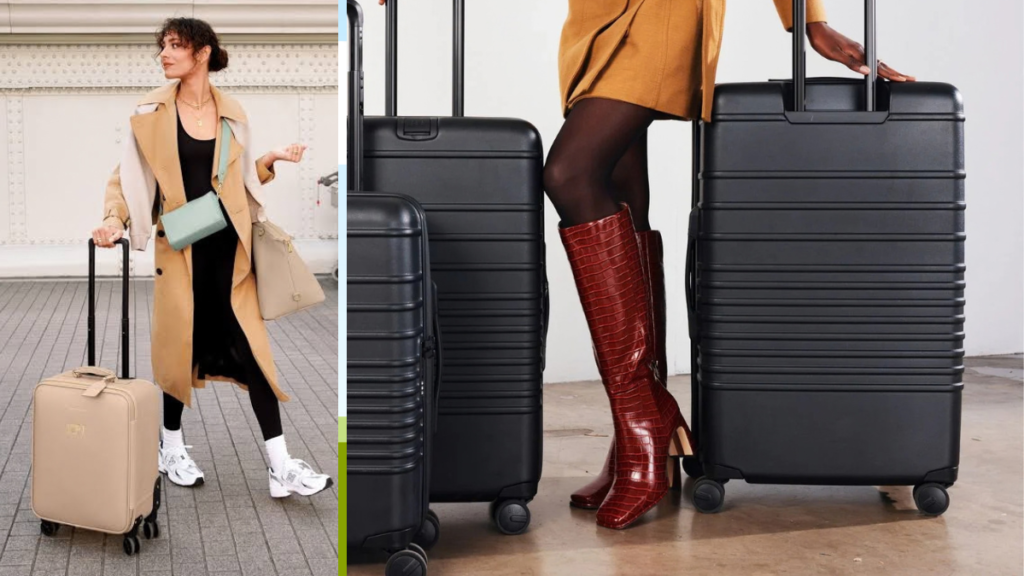

Choosing the right suitcase can make a surprisingly big difference to the way you travel. A good case keeps your belongings organised, moves easily through airports and stations, and gives you enough room without becoming unnecessarily heavy. For travellers looking for practical luggage at accessible prices, b&m suitcases are worth considering because the range typically covers different sizes, styles and travel needs.
B&M has become a familiar name on UK high streets, and its travel range includes everything from larger hold luggage to cabin cases and useful packing accessories. The important thing is not simply choosing the cheapest or largest suitcase. The best choice depends on the length of your trip, airline restrictions, how much you normally pack and whether you prefer a hard shell or soft-sided design.
A suitcase should work in the background rather than create another problem during a journey. As a useful rule of thumb, “the best suitcase is the one that fits your trip, not simply the one that holds the most.” With that principle in mind, this guide explores what to look for, which sizes make sense, how to pack efficiently and how to get better value from your luggage.
Why B&M Suitcases Are Popular With Everyday Travellers
One of the main attractions of b&m suitcases is the combination of practical design and accessible pricing. Many people do not travel frequently enough to justify spending a large amount on premium luggage, particularly when a suitcase may only be used for a few holidays each year. A reasonably priced case can therefore make much more sense for families, occasional flyers, students and people taking short breaks.
The appeal is also linked to variety. Different travellers need different types of luggage. Someone going away for a weekend may be perfectly comfortable with a compact cabin case, while a family heading abroad for two weeks may need larger check-in luggage. Having several size categories makes it easier to match the suitcase to the journey rather than trying to use one oversized case for everything.
Another advantage is that B&M’s wider travel selection can make preparation easier. Suitcases can be combined with packing cubes, travel organisers, luggage scales and other accessories. This matters because efficient travel is about more than the case itself. Good organisation can reduce clutter, make security checks simpler and help you find essential items without emptying the entire suitcase.
Choosing the Right Suitcase Size for Your Trip
Size is arguably the most important decision when buying luggage. A suitcase that is too small can leave you struggling with overpacking, while one that is too large may encourage you to take unnecessary items and can become difficult to handle. B&M suitcases are available in different formats, so thinking about your journey before shopping is essential.
Cabin luggage is generally suitable for short breaks, overnight stays and trips where you want to avoid checking a bag. Medium-sized luggage works well for many holidays lasting around a week, depending on your clothing and packing habits. Larger suitcases are better suited to extended holidays, family travel or situations where you need additional space.
Airline rules should always be checked before travelling. Cabin baggage dimensions and weight limits vary between carriers, and an apparently suitable cabin case may not meet the requirements of a particular airline. Likewise, checked baggage allowances can differ significantly. Checking the carrier’s official policy before packing is one of the simplest ways to avoid unexpected charges at the airport.
| Suitcase type | Best suited to | Main advantage | Important consideration |
|---|---|---|---|
| Cabin case | Weekend trips and short breaks | Easy to carry and avoids checked baggage | Airline size and weight limits |
| Medium case | Around a week away | Good balance of capacity and portability | Check packed weight |
| Large case | Longer holidays | Plenty of room for clothing and accessories | Can become heavy quickly |
| Extra-large case | Family or extended travel | Maximum packing capacity | Handling and baggage limits |
| Suitcase set | Families or multiple travellers | Different sizes for different needs | Storage space at home |
The ideal size is ultimately the smallest suitcase that comfortably accommodates everything you genuinely need. This approach can make travelling easier because lighter luggage is generally simpler to lift, roll and store.
Hard Shell or Soft Shell Suitcases
When comparing b&m suitcases, you may come across both hard shell and soft-sided designs. Neither option is automatically better. The right material depends on your travel style and what you normally carry.
Hard shell cases have a rigid exterior that can offer useful protection for belongings. They are particularly appealing to travellers who want a structured case that holds its shape. Many modern hard cases also feature smooth wheels, telescopic handles and internal compartments that make organisation straightforward.
Soft shell luggage has a flexible exterior and can sometimes be easier to squeeze into tighter storage spaces. The additional flexibility can also be useful when packing awkwardly shaped clothing or trying to fit a few last-minute items inside. Some soft-sided designs include exterior pockets, which are handy for documents, small accessories or items you need to reach quickly.
Your choice should therefore reflect your priorities. If protection and a structured shape are important, a hard shell may be preferable. If flexibility and accessible pockets matter more, soft-sided luggage can be a strong alternative.
Wheels and Handles Matter More Than You Think
A suitcase can look fantastic on a shop shelf and still be frustrating to use if its wheels or handle are uncomfortable. This is why the moving parts deserve as much attention as the colour, pattern or exterior design.
Spinner-style wheels are popular because they allow luggage to move in multiple directions. This can be especially convenient in busy airports, railway stations and hotel corridors. Two-wheel cases, meanwhile, can also be perfectly practical and may suit travellers who prefer pulling a suitcase behind them.
The telescopic handle should extend smoothly and feel secure when fully raised. If it feels loose or awkward in a shop, it is worth taking that as a warning sign. A comfortable handle reduces strain when you are walking long distances with a fully packed case.
Wheels should also be considered in relation to the type of travel you do. Smooth airport floors are easy for most luggage, but pavements, cobbled streets and uneven paths can place greater demands on wheels and their surrounding construction.
Understanding Weight and Packing Capacity
A large suitcase is not automatically a better suitcase. One of the biggest mistakes travellers make is concentrating on internal capacity while ignoring the weight of the empty case. If the luggage itself is heavy, less of your airline baggage allowance remains available for clothes and other belongings.
Lightweight designs can be particularly useful for air travel because they allow more flexibility when working within strict baggage limits. However, lightweight construction should still feel sufficiently robust for normal use. There is a balance between reducing unnecessary weight and choosing luggage that can cope with regular travel.
When assessing b&m suitcases, think about what you actually carry. A business traveller may need space for clothing, shoes and electronics, while a family traveller may prioritise children’s clothing, toiletries and holiday equipment. Someone travelling for a short city break may benefit far more from a compact, lightweight case than from a large piece of luggage.
Packing also has a major effect on usable capacity. Rolling suitable clothing, using packing cubes and filling small gaps can make a medium suitcase surprisingly efficient.
Interior Features That Make Packing Easier
The inside of a suitcase deserves attention because good organisation can transform the travel experience. Look for features such as zipped compartments, compression straps, dividers and secure internal pockets. These details help prevent clothes from moving around excessively and make it easier to separate different categories of belongings.
Packing cubes are particularly useful when travelling with a soft or hard suitcase. They can separate tops, underwear, accessories and other items into manageable sections. Instead of searching through the entire case for one item, you can simply remove the relevant cube.
Compression straps can also help keep clothing secure. They are especially useful when the suitcase is full because they reduce movement inside the case. However, they should not be used as an excuse to overpack. A suitcase that has to be forced closed is likely to put unnecessary pressure on its zip and seams.
A useful packing principle is simple: “organise by use, not just by type.” Keeping your first-day clothing, toiletries and important travel documents easy to access can save time when you arrive at your destination.
Colours and Designs Can Be More Practical Than They Look
Appearance is not the most important factor when choosing luggage, but it should not be completely ignored. A distinctive suitcase can be much easier to identify when several similar black cases are moving around an airport baggage carousel.
Many travellers choose dark luggage because it tends to hide minor marks and scuffs. However, colourful or patterned cases can offer a practical advantage because they are easier to recognise from a distance. A luggage strap, tag or distinctive accessory can achieve a similar effect without requiring a brightly coloured suitcase.
The design should also suit how you travel. A classic black suitcase may work equally well for business and leisure trips, while a more colourful case can make sense for family holidays. There is no universal right choice, provided the exterior is durable enough for normal handling.
For families, distinctive designs can also help children recognise their own luggage. This may reduce confusion when several family members are travelling with similar-sized cases.
B&M Suitcases for Holidays, Business Trips and City Breaks
Different journeys call for different luggage strategies. A summer holiday often involves lightweight clothes, swimwear, footwear and toiletries, while a winter trip can require bulky coats and jumpers. This means the same suitcase size may feel spacious on one journey and surprisingly cramped on another.
For a city break, a compact cabin case can be particularly convenient. Travellers can avoid waiting at baggage reclaim and move more easily through public transport networks. Business travellers may also appreciate cabin luggage because it keeps essential clothing and work items close at hand.
For longer holidays, larger b&m suitcases can provide the additional capacity needed for multiple outfits, shoes and personal belongings. Families may also benefit from using separate cases rather than placing everyone’s belongings into one enormous suitcase. Dividing luggage can make it easier to manage weight and keep belongings organised.
The key is to match luggage to the journey. Buying a huge suitcase simply because it offers more space can create problems if it becomes too heavy to handle comfortably.
How to Pack a Suitcase More Efficiently
Efficient packing starts before clothes go into the case. Make a realistic list based on the number of days you will be away, the weather at your destination and the activities you expect to do. Packing without a plan often leads to duplicate clothing and unnecessary items.
Place heavier items toward the bottom of a suitcase when appropriate, particularly if using a two-wheel case. Shoes can be filled with socks or small accessories to make use of otherwise wasted space. Toiletries should be sealed securely, preferably in suitable travel bags, to reduce the risk of leaks.
Packing cubes can then be used to divide clothing into categories. They are especially useful for longer trips because they keep the interior organised. Dirty laundry can be separated from clean clothes with a dedicated laundry bag.
Before closing the suitcase, weigh it if you are flying. A luggage scale can prevent the unpleasant surprise of discovering that the bag is over the airline’s weight allowance.
Making the Most of Travel Accessories
A suitcase works best when it is supported by the right accessories. Packing cubes, luggage tags, combination locks, toiletry bags and travel organisers can all improve the experience without taking up much additional space.
Travel organisers are useful for keeping smaller items together. Cables, chargers, medication, travel documents and other essentials can quickly become scattered inside a large suitcase. Giving these items their own place makes them much easier to locate.
A luggage tag is another simple but valuable accessory. Include appropriate contact information and make the tag easy to identify. A colourful luggage strap can also make a plain suitcase stand out while providing an additional visual marker.
B&M’s wider travel selection can be useful here because travellers can build a complete packing setup rather than treating the suitcase as an isolated purchase.
What to Check Before Buying B&M Suitcases
Before purchasing b&m suitcases, inspect the features that will affect everyday use. Check the wheels, handle, zips, seams and internal compartments. If you are buying in a physical store, gently move the case around and extend the handle to see how comfortable it feels.
Dimensions should also be checked carefully. A suitcase’s stated height does not always tell you everything about its total external dimensions, particularly when wheels and handles are included. Airline baggage rules generally focus on the complete measurement rather than simply the main body of the case.
Think about storage at home as well. A large suitcase may be excellent for a two-week holiday but awkward if you have limited cupboard or loft space. Nested suitcase sets can sometimes make storage easier, although individual cases may be more appropriate if you rarely need multiple sizes.
Price is another consideration, but value should be assessed alongside features. A slightly more expensive suitcase may be worthwhile if it has better organisation, lower weight or more convenient wheels.
Caring for Your Suitcase After Every Journey
Good luggage can last much longer when it is looked after properly. After a trip, wipe away dirt and allow the case to dry fully before storing it. Do not leave damp clothing inside, even temporarily, because moisture can create unpleasant odours and potentially damage interior materials.
Inspect the wheels and handle after each trip. Removing hair, thread or debris from the wheel area can help keep movement smooth. Check the zips and seams for signs of excessive strain, particularly if the suitcase was heavily packed.
Storage conditions matter too. Keep the case somewhere dry and avoid placing very heavy objects on top of it. If the suitcase is empty and collapsible, follow the manufacturer’s guidance rather than forcing it into an awkward position.
Taking a few minutes to maintain luggage after travelling can help prevent small problems from becoming expensive repairs or replacements.
Are B&M Suitcases Good Value for Money?
For travellers who want practical luggage without automatically paying premium-brand prices, b&m suitcases can represent an appealing value proposition. Their usefulness depends on selecting a case that matches the way you travel rather than expecting an inexpensive suitcase to perform exactly like high-end specialist luggage.
Occasional holidaymakers may find that an affordable suitcase provides everything they need. A traveller who takes several flights every month, regularly checks heavy luggage or frequently travels over rough surfaces may place greater emphasis on long-term durability and specialist features.
Value also comes from usability. A case that rolls comfortably, opens smoothly and keeps clothing organised can save frustration throughout a journey. The cheapest option is not always the best value if it lacks the features you genuinely need.
It is therefore sensible to compare size, weight, construction, storage features and intended use before making a decision. A suitcase should be judged by how well it solves your travel needs rather than simply by its price tag.
Common Mistakes to Avoid When Buying Luggage
One common mistake is buying based entirely on appearance. A fashionable suitcase may look excellent but still have uncomfortable wheels, a poorly positioned handle or insufficient internal organisation. Style matters, but practical features should come first.
Another mistake is assuming that all cabin luggage meets all airline requirements. Airlines have their own restrictions, and these can change. Always check the current rules of the carrier you are travelling with before relying on a particular suitcase as cabin baggage.
Overpacking is another frequent problem. A suitcase with plenty of capacity can encourage travellers to fill every available space. The result is often a heavy bag that is difficult to lift and potentially over the baggage allowance.
Finally, do not overlook the empty weight. Two suitcases can offer similar capacity while weighing noticeably different amounts. For air travel, every kilogram matters.
How to Choose the Best B&M Suitcases for Your Needs
The best b&m suitcases choice begins with your typical journey. If you mostly take weekend breaks, a compact cabin case is likely to be more useful than a large check-in model. If you take longer family holidays, medium or large luggage may provide the capacity you need without forcing everything into one bag.
Consider how you travel through airports and other transport hubs. Smooth wheels, a comfortable telescopic handle and sensible weight can make a major difference when you are walking between terminals or carrying luggage onto trains.
Also consider what you pack. Travellers carrying formal clothing may value internal organisation and garment-friendly space, while families may prioritise maximum capacity and durable construction. Frequent flyers may prefer lightweight designs, while occasional travellers may focus more heavily on price.
There is no single suitcase that is perfect for everybody. The strongest purchase is the one that offers the right balance of size, weight, durability, organisation and price for your own travel pattern.
Frequently Asked Questions About B&M Suitcases
Are B&M suitcases suitable for holidays?
Yes, b&m suitcases can be suitable for a wide range of holidays, including short breaks, family trips and longer journeys. The important factor is choosing the appropriate size and construction for the type of travel involved. Check the suitcase’s dimensions and your airline’s baggage rules before flying.
Do B&M sell cabin suitcases?
B&M offers cabin luggage and smaller suitcase designs as part of its wider travel range. Cabin cases are useful for short trips and can help travellers avoid checked baggage when the airline’s allowance permits it. Always compare the case’s external dimensions with the current requirements of your airline.
What size suitcase is best for a week-long holiday?
A medium suitcase is often a practical choice for a week-long trip, although the ideal size depends on clothing, footwear, weather and personal packing habits. Travellers who pack lightly may manage with cabin luggage, while those carrying bulkier clothing may need more capacity.
Are hard shell or soft shell suitcases better?
Neither style is universally better. Hard shell luggage provides a structured exterior and can offer useful protection, while soft shell luggage provides flexibility and may include convenient exterior pockets. Your preferred construction should depend on what you carry and how you travel.
How can I make my suitcase easier to pack?
Use a packing list, avoid unnecessary duplicates and organise clothing into packing cubes or similar compartments. Place frequently needed items where they are easy to reach and keep toiletries securely contained. Weigh the finished suitcase before flying to make sure it complies with your baggage allowance.
How do I make my suitcase easier to identify?
Choose a distinctive colour or pattern, or add a bright luggage strap or clearly identifiable tag. This can make it much easier to spot your luggage at baggage reclaim, particularly when many travellers are using similar-looking cases.
Are larger B&M suitcases better for long holidays?
Larger b&m suitcases can be useful for extended holidays because they provide more packing capacity. However, extra space can also encourage overpacking and create a heavier bag. The best approach is to choose a size that provides enough room without exceeding comfortable handling or airline weight limits.
What should I look for in a good suitcase?
Pay attention to dimensions, empty weight, wheel quality, handle construction, zips, internal organisation and overall build quality. Consider where you will travel and how frequently you will use the case. A practical suitcase should be easy to move, simple to organise and appropriate for your baggage requirements.
Conclusion
Finding the right suitcase does not have to be complicated. The most important step is understanding your own travel habits and choosing luggage around them. B&M suitcases offer a practical route for travellers who want different sizes and styles without automatically moving into premium luggage prices.
From compact cabin cases for weekend breaks to larger luggage for extended holidays, the right choice depends on capacity, weight, construction and convenience. Features such as smooth wheels, secure handles, internal compartments and useful accessories can have a bigger impact on your travel experience than appearance alone.
Smart packing matters just as much as smart luggage selection. Using organisers, checking airline restrictions and keeping baggage weight under control can make journeys smoother from the moment you leave home until you arrive at your destination.
Ultimately, a good suitcase should make travelling easier rather than becoming another thing to worry about. Choose a size that matches your trip, prioritise practical features, pack thoughtfully and look after your luggage between journeys. With the right approach, your suitcase can become a reliable travel companion for holidays, city breaks, business trips and many adventures to come.
Read also Clarks shoes: A Complete Guide to Style, Comfort, Heritage and Everyday Wear