
Few royal addresses have drawn as much attention as the one tucked away in Windsor Great Park. The story of the Prince Andrew Royal Lodge arrangement stretches across more than two decades. It runs from a quiet, almost unnoticed lease deal in the early 2000s to one of the most dramatic royal departures in modern British history. Along the way it became a lasting symbol of privilege, secrecy and the uneasy relationship between the monarchy and public money.
If you have only caught the headlines, it is easy to lose track of the details. Who owns the property? What did Andrew actually pay? Why did he leave, and where did he go? This guide walks through the whole timeline in plain English, with the facts laid out clearly and the rumours kept at arm’s length.
Why the Prince Andrew Royal Lodge Story Still Draws So Much Attention
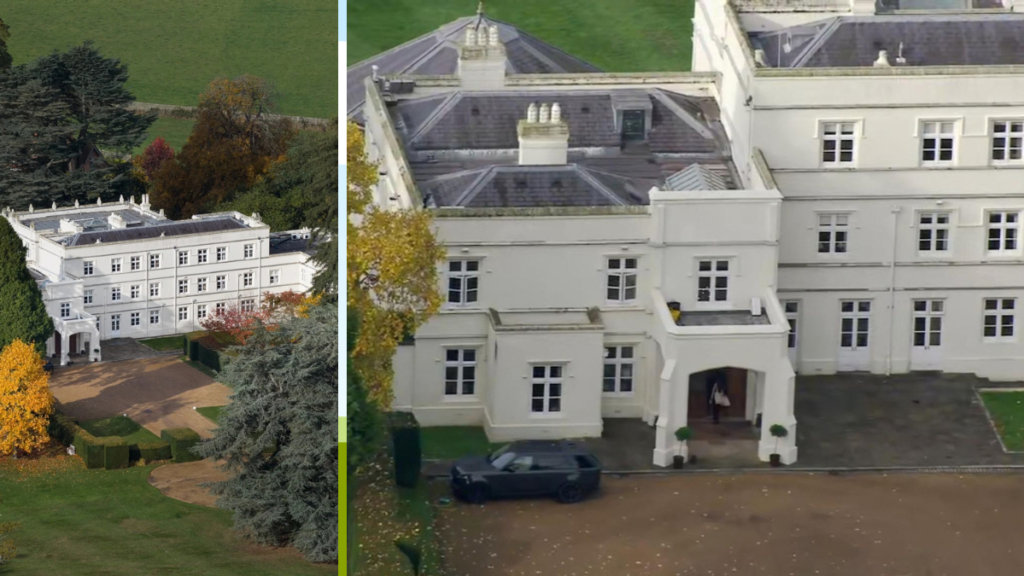
The simplest answer is that the house sits at the crossroads of three things people care about: royalty, real estate and reputation. Royal Lodge is a sprawling Grade II listed residence with around thirty rooms, set inside the Windsor estate and owned by the Crown Estate rather than by the royal family personally. The late Queen Elizabeth II granted her third child the right to live there, and for years that arrangement drew little comment. Then the wider controversy around Jeffrey Epstein changed the public mood entirely. keyt
Once the mood changed, every detail of the Prince Andrew Royal Lodge arrangement was reexamined. The size of the house, the length of the lease, the tiny annual rent and the cost of upkeep all became talking points. A mansion that once looked like a quiet perk of royal life now looked like a question the monarchy had to answer.
A note on names helps here. Andrew is no longer styled as a prince. Letters patent dated 3 November 2025 declared that he would no longer hold the style of “royal highness” or the title of prince, and he is now known as Andrew Mountbatten Windsor. Most people still search for the older name, which is why “Prince Andrew” remains the phrase you will see all over the internet. jang
A Brief History of Royal Lodge Before Andrew Moved In
Royal Lodge has been associated with the Crown since the 1820s, and the house grew and changed shape over the following century. It is best known as the country retreat of King George VI and Queen Elizabeth, later the Queen Mother, who made it a warm family home. Generations of royal children played in its gardens, and the property carries a gentle, slightly old-fashioned reputation among royal watchers.
After the Queen Mother’s death in 2002, the house needed serious work. It was large, ageing and expensive to maintain. That backdrop matters, because the repair bill was the reason the later lease took the shape it did. Without that history, the arrangement can look stranger than it actually was on paper.
How the Lease Worked and Why It Caused Outrage
When Andrew took on the property, he did so under a long lease rather than as an owner. According to the National Audit Office, when he took the lease in 2003 he agreed to pay more than £8 million towards repairs, which effectively removed any future rent for the 75-year term. Reports have also described the ongoing rent as a symbolic peppercorn, a nominal sum only payable if demanded. thelondoneconomic
Supporters of the deal argued that it was a sensible way to rescue a crumbling building. Critics replied that a peppercorn rent on a mansion of this size was simply too generous, especially for a working royal who later stepped back from public duties. The debate never fully settled, but it set the stage for what came next.
Royal Lodge at a Glance
Sometimes a quick summary does more than another long paragraph. The table below pulls together the main facts about the property and the arrangement, based on public reporting.
| Detail | What is known |
|---|---|
| Location | Windsor Great Park, Berkshire |
| Size | Roughly 30 rooms |
| Owner | The Crown Estate |
| Lease length | 75 years from the early 2000s |
| Reported repair commitment | More than £8 million |
| Annual rent | Nominal peppercorn rent “if required” |
| Notable earlier residents | King George VI and Queen Elizabeth, the Queen Mother |
| Reported early-exit entitlement | About £488,000 under the lease terms |
| Andrew’s reported new base | Marsh Farm, Sandringham Estate, Norfolk |
Seen together, these details explain why the property became such a lightning rod. The lease looked favorable, the house was enormous, and the occupant was increasingly controversial.
Notice, too, how little of this involved the King’s own pocket. Because the Crown Estate owns the building, questions about its future belong as much to public finance as to royal family politics. That is one reason the story kept resurfacing in Parliament and the press.
The October 2025 Turning Point
Things moved fast in the autumn of 2025. Andrew first stepped back from using his Duke of York title, and then the palace went further. The palace announced a formal process to remove his style, titles and honours, saying he would be known as Andrew Mountbatten Windsor. The same announcement dealt directly with the house. According to the statement, formal notice had been served to surrender the lease. yahoothelondoneconomic
For anyone following the Prince Andrew Royal Lodge storyline, that announcement was the pivotal moment. The palace also acknowledged that the lease had given him legal protection to continue in residence, which explained why he could not simply be asked to leave overnight. The document that once protected him was now the thing being surrendered. ABC News
The timing was not random. It followed the release of a posthumous memoir by Virginia Giuffre, which revived public anger. Andrew has consistently denied any wrongdoing, and that denial belongs in any fair account of events.
Leaving Windsor for Sandringham
Initially, the plan was for Andrew to move out around Christmas 2025, and that date later drifted to Easter 2026. Royal sources suggested the move was delayed until the new year to avoid the awkwardness of his being at Sandringham while the family gathered for Christmas. In the end, the departure came earlier than the Easter deadline. CNN reported in early February 2026 that he had left the Windsor home and was now living in Norfolk. thelondoneconomickeyt
The new base is Marsh Farm on the King’s private Sandringham Estate. It is dramatically smaller than the old house, with five bedrooms, two reception rooms and a kitchen, compared with Royal Lodge’s far larger footprint. The estate also extended its no-fly zone to cover the area, which added a layer of privacy. aol
Seen from a distance, the Prince Andrew Royal Lodge chapter ended the way many royal housing stories do, with a quiet car journey and very little ceremony. One friend described by a British newspaper said that Andrew did not want a big emotional goodbye, despite the many family memories attached to the house. lbc
Questions From the Police and the Epstein Files
The move also overlapped with fresh scrutiny. After the US Justice Department released a large batch of Epstein-related documents, Thames Valley Police said it was assessing reports about a woman allegedly taken to an address in Windsor in 2010. The woman’s lawyer told the BBC the alleged incident took place at the Windsor property, according to reporting at the time. yahoo
It is important to be careful here. These are allegations under assessment, and Andrew has repeatedly denied wrongdoing. Later reports, including coverage from Hello, stated that he was arrested at Marsh Farm on suspicion of misconduct in public office. An arrest is not a conviction, and readers should follow credible outlets for the latest developments, since legal processes move slowly and facts can change. hellomagazine
What can be said safely is that the controversy has outlasted the move. Leaving the house did not end the questions, and calls for cooperation with American authorities have continued from across the political spectrum, as Royal Central noted.
What Happens to Royal Lodge Next
With Andrew gone, attention has turned to the building itself. The Crown Estate’s 30-room mansion is expected to become available to rent from October, when his lease ends. That timing makes the question very current, and the future of the house is still being discussed. hellomagazine
Several outcomes are possible. The Crown Estate could lease it to a new tenant, restore it as a family residence for another member of the royal family, or consider different uses altogether. Any plan will have to account for the building’s listed status, its high maintenance costs and the symbolism attached to it. Whatever happens, the next chapter of the Prince Andrew Royal Lodge saga will be about a property rather than a person, which may be a relief to the Crown Estate.
Public Opinion, Politics and the Question of Royal Housing
The wider lesson goes beyond one man. Public reaction showed how sensitive people are about royal housing and taxpayer-linked assets. Questions about who lives where, on what terms, and at whose expense are now asked far more readily than they were a generation ago.
Royal biographer Robert Jobson captured the palace’s goal when he said the royals hoped to draw a line under the controversy in 2026. Whether that happens depends less on the move itself and more on what follows in the courts, in the press and in Parliament. aol
For the monarchy, the practical takeaway is transparency. Clearer lease terms, public reporting and regular reviews of grace-and-favor arrangements would reduce the chance of another controversy built on a long-forgotten deal.
Conclusion
The tale of Prince Andrew Royal Lodge is part property story, part royal drama and part cautionary tale about how long-term arrangements can age badly. A favorable lease signed in the early 2000s became a source of public anger two decades later, and a once-private home turned into a symbol of the monarchy’s hardest year.
The key facts are clear. The house belongs to the Crown Estate, the lease was long and generous, and the notice to surrender it came in October 2025. Andrew moved out in early 2026 and now lives on the Sandringham Estate. He denies wrongdoing, and the legal and public questions around him remain unresolved. For readers, the best approach is to rely on verified reporting and watch for updates, particularly as the future of the mansion is decided.
Frequently Asked Questions
Where did Prince Andrew live before moving out of Royal Lodge?
He lived at Royal Lodge in Windsor Great Park for more than twenty years, sharing the house in later years with his former wife, Sarah Ferguson. It was his main residence throughout the period when the Prince Andrew Royal Lodge arrangement was most often debated in the media.
Who owns Royal Lodge?
The Crown Estate owns it, not the King and not Andrew. He held a long lease rather than the freehold, which is why the lease had to be formally surrendered when the decision to move him out was made.
How much did Andrew pay for Royal Lodge?
He did not buy it. Reports say he agreed to cover more than £8 million in repairs when he took the lease, with only a nominal annual rent attached. That structure is why so many people describe the Prince Andrew Royal Lodge deal as unusually favorable.
Where is Andrew Mountbatten Windsor living now?
He is reported to be living at Marsh Farm on the King’s private Sandringham Estate in Norfolk, a considerably smaller property than his former home. The estate has extended its no-fly zone to cover the area.
Why was Andrew asked to leave Royal Lodge?
The decision followed his removal from royal titles and honours in late 2025, amid renewed public attention to his past association with Jeffrey Epstein. Andrew has denied any wrongdoing. The palace said formal notice had been served to surrender the lease, which ended his right to remain.
What will happen to Royal Lodge now?
The property is expected to be available for rent from October, according to recent reporting, though no final plan has been confirmed. Its listed status and size make any future use a significant decision for the Crown Estate.
Read also AnnaSophia Robb: Career, Movies, TV Shows, and Life